
Table of Contents
ToggleInterior design trends shape how people create and experience their living spaces. These trends reflect changes in lifestyle, technology, and cultural values. They guide homeowners, designers, and architects toward styles that feel fresh and relevant.
Understanding what is interior design trends helps anyone make smarter choices about their home. Some trends last for decades. Others fade within a few seasons. Knowing the difference saves money and creates spaces that stand the test of time.
This guide covers the most important interior design trends for 2025. It explains how these trends develop and offers practical tips for bringing them into any room.
Key Takeaways
- Interior design trends reflect changes in lifestyle, technology, and cultural values—understanding them helps you make smarter, longer-lasting home design choices.
- Natural materials like wood, stone, and rattan paired with earthy tones dominate 2025’s interior design trends, creating calm and authentic spaces.
- Sustainability is now a major trend, with reclaimed furniture, low-VOC paints, and energy-efficient design becoming standard priorities.
- Social media platforms like Instagram and Pinterest have dramatically accelerated how interior design trends spread globally.
- Start small by updating accessories and paint before committing to larger purchases, and invest in timeless foundational pieces that adapt to changing trends.
- Mix trending elements with personal items like heirlooms and artwork to create spaces that feel unique rather than impersonal.
Understanding Interior Design Trends
Interior design trends are patterns in style, color, materials, and layouts that gain popularity over time. They emerge from fashion, art, architecture, and broader cultural shifts. A trend becomes significant when designers, manufacturers, and consumers adopt it widely.
Several factors drive interior design trends. Economic conditions play a major role. During uncertain times, people often prefer warm, comforting spaces. Technology also shapes trends. Smart home features now influence furniture placement and lighting choices.
Social media has accelerated how interior design trends spread. Platforms like Instagram and Pinterest let millions of people discover new styles instantly. A single viral image can spark a global design movement.
Interior design trends differ from timeless design principles. Trends reflect current tastes. Principles like balance, proportion, and functionality remain constant across eras. Smart designers blend trending elements with classic foundations.
Some interior design trends cycle back into popularity. Mid-century modern furniture, popular in the 1950s and 60s, has dominated recent decades. Art deco elements from the 1920s now appear in contemporary spaces. Understanding these cycles helps predict future directions.
Top Interior Design Trends for 2025
The year 2025 brings several exciting interior design trends. Two stand out for their impact and staying power.
Natural Materials and Earthy Tones
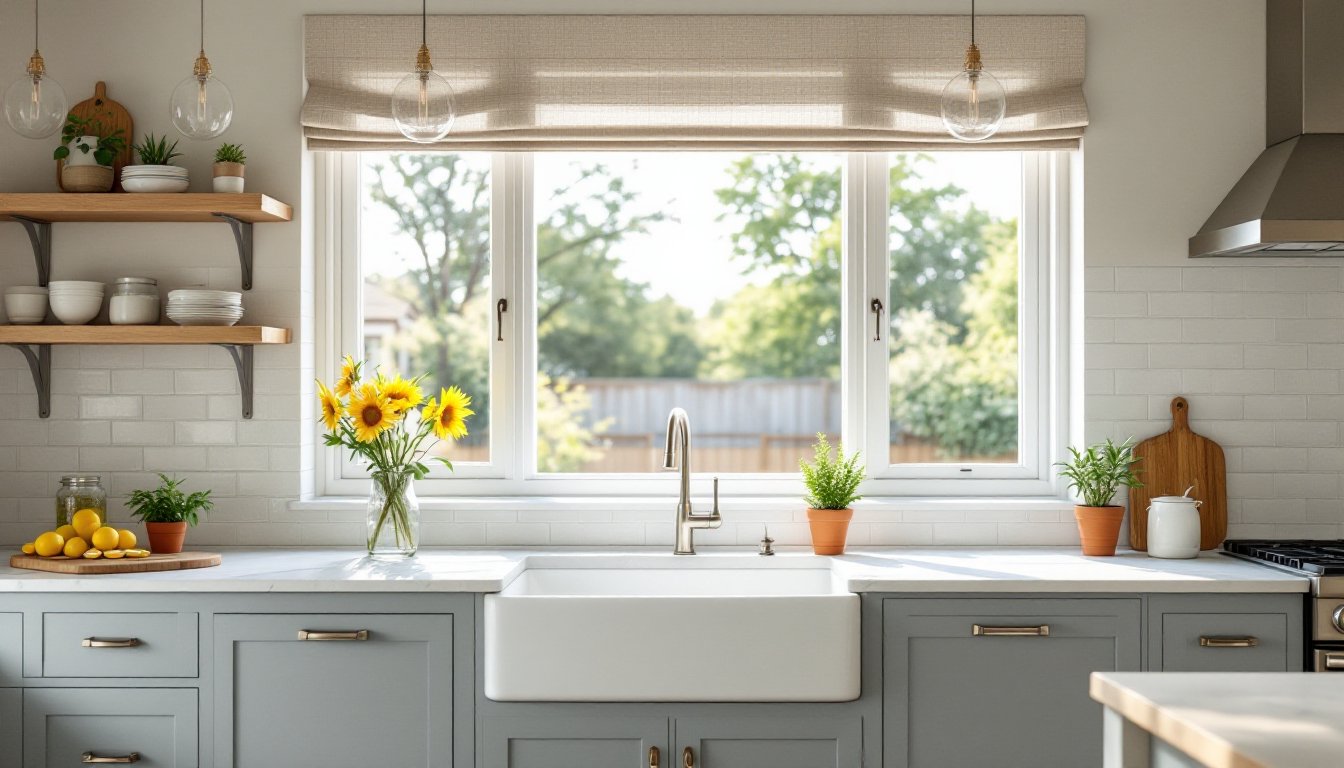
Natural materials dominate current interior design trends. Wood, stone, clay, and rattan appear throughout modern homes. These materials connect indoor spaces to the outdoor environment.
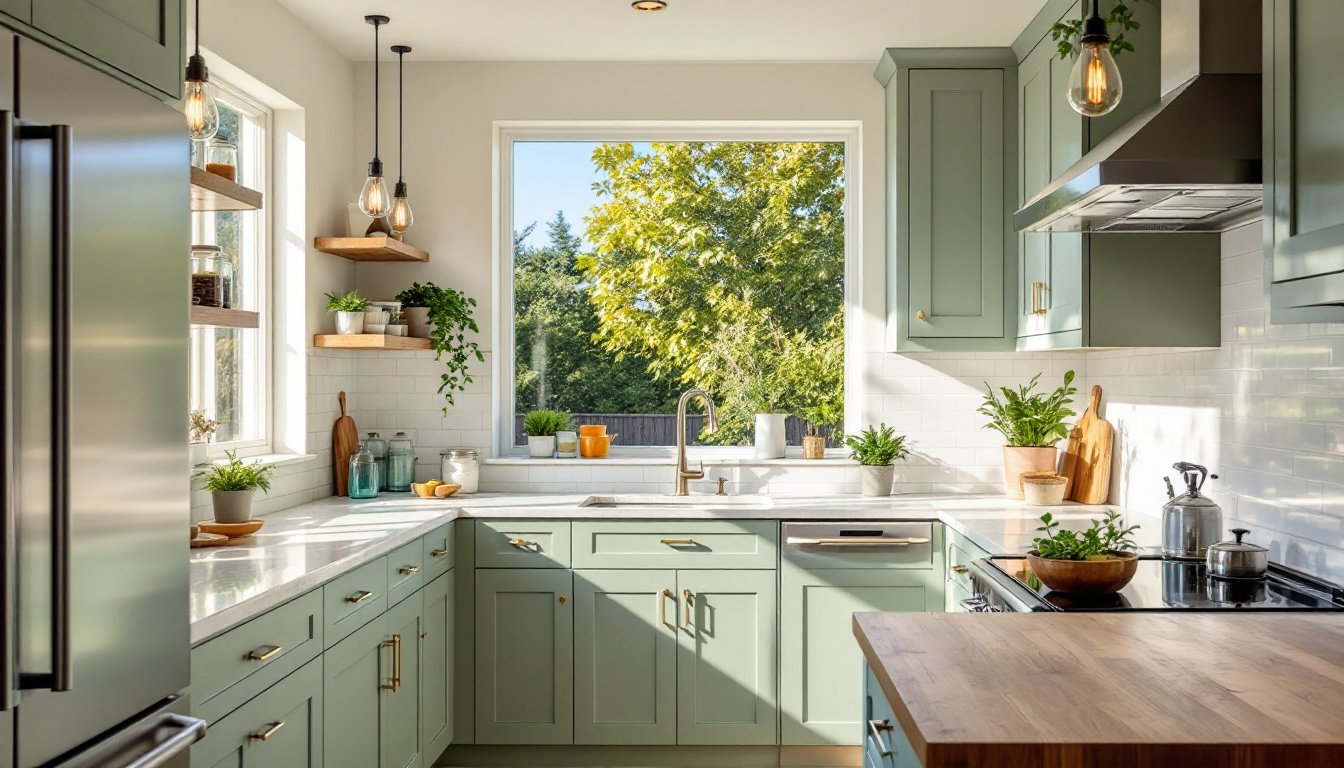
Earthy tones complement natural materials perfectly. Think terracotta, olive green, warm browns, and soft beiges. These colors create calm, grounded atmospheres. They work in any room, from kitchens to bedrooms.
This interior design trend reflects a broader desire for authenticity. People want their homes to feel real and organic. Mass-produced plastic furniture feels cold by comparison.
Texture matters as much as color in this trend. Rough-hewn wood tables, linen curtains, and woven baskets add visual interest. Layering different textures creates depth without cluttering a space.
Sustainable and Eco-Friendly Design
Sustainability has become one of the most important interior design trends. Consumers now ask where materials come from and how products are made. This shift changes the entire industry.
Reclaimed wood furniture reduces demand for new timber. Vintage and secondhand pieces keep items out of landfills. Many designers now prioritize antique stores over big-box retailers.
Energy efficiency influences interior design trends too. Large windows maximize natural light and reduce electricity use. Light-colored walls reflect daylight deeper into rooms.
Low-VOC paints and finishes protect indoor air quality. These products release fewer harmful chemicals than traditional options. Families with children and pets particularly value this interior design trend.
Plant-filled spaces blur the line between indoor and outdoor. Houseplants improve air quality and boost mental health. Living walls, vertical gardens mounted on interior surfaces, have moved from commercial buildings into residential homes.
How Interior Design Trends Evolve
Interior design trends follow predictable patterns. They typically start with high-end designers and luxury brands. These creators experiment with new ideas at trade shows and in exclusive projects.
Media coverage brings interior design trends to wider audiences. Shelter magazines, design blogs, and television shows introduce concepts to mainstream consumers. Social media influencers accelerate this process dramatically.
Manufacturers respond to growing interest by producing affordable versions. A lamp that costs thousands at a designer showroom inspires similar styles at lower price points. This accessibility drives mass adoption.
Peak popularity eventually triggers fatigue. Once an interior design trend appears everywhere, tastemakers seek something new. The cycle begins again.
Some interior design trends become permanent fixtures. Open floor plans started as a trend decades ago. Now they represent standard practice in residential construction. Others, like avocado-colored appliances from the 1970s, become cautionary tales.
External events shape interior design trends unexpectedly. The COVID-19 pandemic transformed home offices from luxury to necessity. Outdoor living spaces gained importance when public gathering became risky. These shifts often outlast the events that sparked them.
How to Incorporate Trends Into Your Space
Following interior design trends doesn’t require a complete renovation. Small changes can update any room’s look without major expense.
Start with accessories. Throw pillows, artwork, and decorative objects are easy to swap. They let homeowners experiment with interior design trends before committing to larger purchases.
Paint offers high impact at low cost. A fresh wall color can transform a space in a weekend. Accent walls let people test bold interior design trends without overwhelming a room.
Invest more in foundational pieces. Quality sofas, dining tables, and beds should prioritize timeless design over trendy styles. Neutral upholstery works with changing interior design trends over many years.
Mix trending elements with personal favorites. A room filled only with current interior design trends can feel impersonal. Family heirlooms, travel souvenirs, and beloved artworks add character that trends alone cannot provide.
Consider the lifespan of each interior design trend before buying. Natural materials and neutral colors tend to endure. Bold wallpaper patterns and unusual furniture shapes may date quickly.
Hire a professional for major projects. Interior designers understand how interior design trends fit specific spaces. They prevent costly mistakes and often access trade discounts that offset their fees.