Table of Contents
ToggleGreen kitchens aren’t just a color trend, they’re part of a bigger shift toward sustainability and healthier living spaces. Whether someone’s planning a full remodel or looking to make incremental updates, eco-friendly design choices can reduce environmental impact, lower utility bills, and create a kitchen that feels fresh for years to come. From reclaimed wood cabinets to energy-sipping induction cooktops, the options are more accessible and affordable than ever. This guide walks through practical, proven strategies for building or upgrading a kitchen with sustainability at its core, without sacrificing style or function.
Key Takeaways
- Eco-friendly kitchens reduce electricity use by 20–50% compared to older models while boosting home resale value through ENERGY STAR® appliances and sustainable features.
- Bamboo, reclaimed wood, and FSC-certified materials are durable cabinet options that minimize deforestation, while recycled glass and paper composite countertops offer colorful, non-porous work surfaces without new environmental extraction.
- Induction cooktops, LED lighting, and WaterSense®-labeled faucets deliver the fastest energy and water savings, with LEDs using 75% less power than incandescent bulbs and lasting 15–25 times longer.
- Low-VOC and zero-VOC paints, along with natural finishes like tung oil and limewash, improve indoor air quality while supporting sustainable material sourcing.
- Budget-conscious upgrades like LED bulbs, faucet aerators, cabinet refacing, and salvaged materials from Habitat ReStores can cut energy and water bills by 10–20% without requiring a full renovation.
- Green kitchen design combines color trends (sage, emerald, mint) with functional sustainability choices that balance immediate cost savings with long-term environmental impact.
Why Choose an Eco-Friendly Kitchen Design
An eco-friendly kitchen delivers measurable benefits beyond the feel-good factor. Energy-efficient appliances can cut electricity use by 20–50% compared to older models, directly lowering monthly bills. Water-saving fixtures reduce consumption without sacrificing performance, which matters in drought-prone regions or homes on well water. Materials like FSC-certified wood and recycled glass countertops minimize deforestation and landfill waste, while low-VOC paints and finishes improve indoor air quality, critical in a room where families spend hours cooking and eating.
There’s also a resale angle. Buyers in 2026 actively seek homes with green features, from ENERGY STAR® appliances to LED lighting and sustainable flooring. A well-documented eco-friendly kitchen can boost appraisal values and shorten time on market. Beyond dollars, these choices reduce the carbon footprint of one of the home’s most resource-intensive rooms. It’s practical conservation that pays immediate and long-term dividends.
Sustainable Materials for Cabinets and Countertops
Cabinets
Cabinets dominate kitchen square footage and material budgets, so sourcing matters. Bamboo grows to harvest height in 3–5 years versus decades for hardwoods, making it a fast-renewable option with comparable strength to oak. Look for edge-grain or strand-woven bamboo for durability. Reclaimed wood, salvaged from barns, factories, or deconstructed homes, adds character and diverts lumber from landfills. Expect some checking or nail holes: that’s part of the aesthetic. Always verify the wood has been kiln-dried and treated for pests.
FSC-certified plywood or MDF for cabinet boxes ensures the wood comes from responsibly managed forests. Avoid standard particleboard with urea-formaldehyde binders: formaldehyde off-gasses for years and degrades air quality. Instead, specify CARB Phase 2 compliant or NAF (no-added-formaldehyde) cores. These cost 10–15% more but meet stricter emission standards.
Countertops
For countertops, recycled glass slabs embed post-consumer or post-industrial glass fragments in resin or concrete, creating colorful, durable surfaces comparable to engineered quartz. They’re non-porous and resist stains, though they may need periodic sealing if the binder is concrete-based. Paper composite (like Richlite or PaperStone) compresses FSC-certified paper with phenolic resin under heat and pressure, yielding a dense, heat-resistant work surface popular in commercial kitchens. It can be sanded and refinished, and it develops a patina over time.
Reclaimed or salvaged stone, marble, granite, or soapstone from dismantled buildings, offers the heft and beauty of natural stone without new quarrying. Availability varies by region, so check architectural salvage yards or specialty suppliers. Finally, butcher block from sustainably harvested hardwoods (maple, walnut, or cherry) provides a warm, repairable surface. Seal with food-safe mineral oil or a water-based polyurethane: avoid petroleum-based finishes in food-prep zones.
Energy-Efficient Appliances and Lighting Solutions
Appliances
Swapping out old appliances delivers the quickest energy savings. ENERGY STAR® refrigerators use about 15% less electricity than non-certified models, and modern inverter compressors run quieter and more efficiently. For cooking, induction cooktops transfer energy directly to magnetic cookware, wasting less heat than gas or electric coil burners, boil times drop by 30–40%, and the cooktop stays cooler to the touch. They require compatible pots and pans (cast iron or magnetic stainless), but most households already own at least a few.
Convection ovens circulate hot air with a fan, reducing cook times and temperatures by roughly 25°F compared to conventional baking. Dishwashers with soil sensors adjust cycle length and water use based on load dirtiness, cutting consumption by up to 20%. Look for models with a half-load or eco cycle for smaller batches.
Lighting
Lighting accounts for 10–15% of home energy use, and kitchens need ample task and ambient light. LED bulbs draw 75% less power than incandescent and last 15–25 times longer. In 2026, prices have dropped below $2 per bulb for standard A19 shapes. For under-cabinet task lighting, LED strip or puck lights provide focused illumination without the heat buildup of halogen.
Consider dimmable LEDs on a smart switch or occupancy sensor to tailor brightness and avoid lights left on overnight. In new construction or major remodels, daylighting strategies, larger windows, skylights, or solar tubes, reduce daytime reliance on artificial light. Just account for thermal performance: specify low-e coatings and insulated frames to prevent heat gain in summer or loss in winter.
Water-Saving Fixtures and Smart Plumbing Choices
Kitchen faucets typically flow at 2.2 gallons per minute (gpm), but WaterSense®-labeled models deliver 1.5 gpm or less without noticeable pressure loss thanks to aerator technology. Over a year, that difference saves thousands of gallons, meaningful if the home is metered or relies on a well. Touchless or foot-pedal faucets cut waste by shutting off automatically, handy when hands are covered in dough or raw chicken.
Low-flow pre-rinse spray heads mimic commercial kitchen sprayers but use less water, ideal for scrubbing pots before loading the dishwasher. Pair them with a high-efficiency dishwasher (many use as little as 3 gallons per cycle) to eliminate the need for heavy pre-washing altogether.
For homes with older galvanized or PVC supply lines, a remodel is a good opportunity to upgrade to PEX (cross-linked polyethylene). PEX is flexible, resists scale buildup, and requires fewer fittings, reducing leak points and installation time. It’s also less energy-intensive to manufacture than copper. If the budget allows, add a point-of-use water heater under the sink to deliver hot water instantly, cutting the wait (and waste) while the main heater catches up. Tankless electric models fit in most sink bases and draw power only when the tap runs.
Green Color Palettes and Natural Finishes
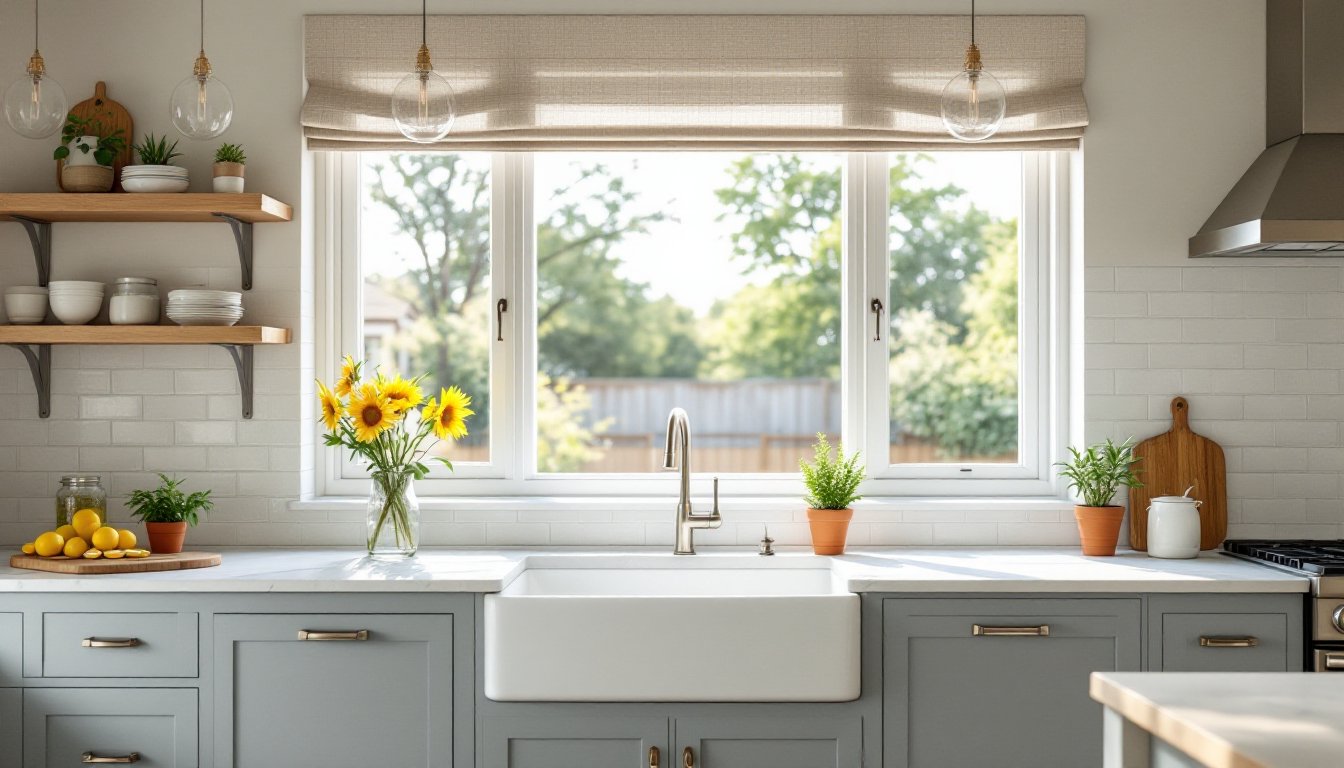
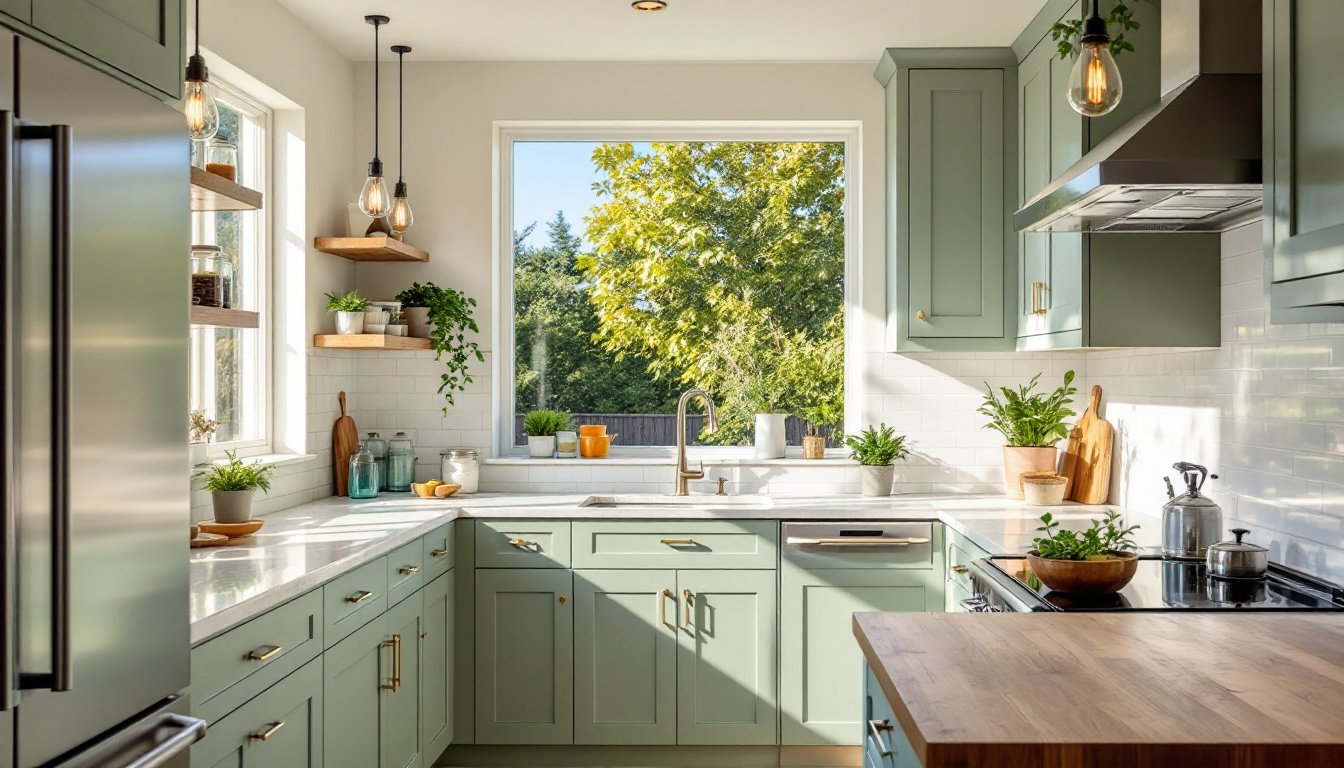
“Green” in kitchen design also means green, the color. Shades from sage to emerald have surged in popularity, and modern green kitchens demonstrate how versatile the hue can be across styles. Deep forest tones pair with brass hardware and walnut accents for a moody, sophisticated look. Lighter mint or celadon works in farmhouse or coastal settings, especially with white subway tile and open shelving.
When selecting paint, choose low-VOC or zero-VOC formulas. Volatile organic compounds off-gas during application and curing, contributing to smog outdoors and respiratory irritation indoors. Major brands now offer low-VOC lines in thousands of colors at comparable prices to conventional paints. For cabinets, water-based acrylic-alkyd hybrids level like oil paint but clean up with soap and water and emit fewer fumes.
Natural finishes extend beyond paint. Limewash or milk paint on walls and cabinetry create soft, matte textures with an aged patina. Both are mineral- or casein-based, biodegradable, and breathable, they won’t trap moisture like latex. Tung oil or hard wax oil finishes protect wood countertops and floors without forming a plastic film: they’re repairable and derived from renewable sources. For tile backsplashes, recycled ceramic or reclaimed terracotta add warmth and history. Grout lines can be finished with epoxy grout, which resists stains and mold better than traditional cement grout, reducing the need for harsh cleaners.
Budget-Friendly Ways to Make Your Kitchen Greener
Not every green upgrade requires a gut renovation. Start with the low-hanging fruit: swap incandescent bulbs for LEDs (payback in 6–12 months), install a faucet aerator ($5–15 and five minutes of work), and seal air leaks around windows and doors with weatherstripping or caulk. These collectively can cut energy and water bills by 10–20%.
Reface or repaint cabinets instead of replacing them. New doors, drawer fronts, and hardware over existing boxes cost 30–50% less than full replacement and keep functional cabinetry out of the landfill. Use low-VOC paint and consider interior design trends that favor timeless palettes over fleeting fads.
For countertops, butcher block or tile are DIY-friendly and affordable. A 6-foot maple butcher-block countertop runs $200–400, and installation requires only a circular saw, drill, and some wood glue. Ceramic or porcelain tile offers endless design flexibility, and laying it over an existing laminate surface (with proper prep) is a weekend project for a confident DIYer.
Shop salvage yards and Habitat ReStores for gently used or surplus materials, sinks, faucets, light fixtures, and even appliances. A last-generation ENERGY STAR® dishwasher at half price still beats a decade-old unit. Finally, carry out habits that cost nothing: run full dishwasher loads, compost food scraps, and keep refrigerator coils clean. Small behaviors compound into significant resource savings over time.
Conclusion
Building or upgrading a green kitchen in 2026 is more achievable than ever, thanks to broader material availability, stricter efficiency standards, and growing consumer demand. Whether someone’s investing in FSC-certified cabinets and induction cooking or starting small with LED bulbs and a low-flow faucet, every choice moves the needle toward sustainability. The key is planning with both immediate function and long-term impact in mind, because a well-designed green kitchen serves the homeowner, the budget, and the planet.