
Table of Contents
ToggleInterior design trends strategies have shifted dramatically as homeowners enter 2025 with fresh priorities. People want spaces that feel personal, functional, and visually striking, all at once. The days of copying catalog looks are fading. Instead, design choices now reflect individual lifestyles, sustainability concerns, and a desire for comfort that actually works in daily life.
This guide breaks down the most influential interior design trends shaping homes right now. It also covers practical strategies for applying these trends without overhauling entire spaces or breaking budgets. Whether someone is refreshing a single room or planning a full renovation, understanding these shifts helps create spaces that feel current yet lasting.
Key Takeaways
- Interior design trends strategies in 2025 prioritize functionality, emotional connection, and sustainability over copying catalog looks.
- Curved furniture, biophilic design, bold color accents, and textural layering are the top trends shaping modern homes.
- Start small with accessories and focus on one room at a time to test interior design trends without costly mistakes.
- Apply the 80/20 rule—keep 80% of major elements timeless and dedicate 20% to trend-driven pieces for lasting appeal.
- Mix vintage items with contemporary pieces to create spaces with character, depth, and visual interest.
- Invest in high-quality neutral foundational pieces and layer trendy elements on top for flexible, budget-friendly updates.
Understanding the Shift in Modern Design Preferences
Modern design preferences have moved away from minimalism-for-minimalism’s-sake. Homeowners now prioritize warmth, texture, and spaces that support how they actually live. The pandemic accelerated this shift. People spent more time at home and realized their spaces needed to do more than look good in photos.
Several factors drive current interior design trends strategies:
- Functionality first: Rooms must serve multiple purposes. A living room might double as a home office. A guest bedroom could function as a workout space.
- Emotional connection: Design choices increasingly reflect personal history, travel experiences, and family heritage.
- Sustainability awareness: Buyers want furniture and materials with lower environmental impact. Secondhand pieces, natural fibers, and locally sourced items gain popularity.
- Technology integration: Smart home features require thoughtful placement. Charging stations, hidden outlets, and cable management influence furniture selection.
The shift also includes a rejection of “fast furniture.” Consumers recognize that cheap, trendy pieces end up in landfills within a few years. Quality over quantity now guides purchasing decisions. This mindset affects interior design trends strategies at every price point.
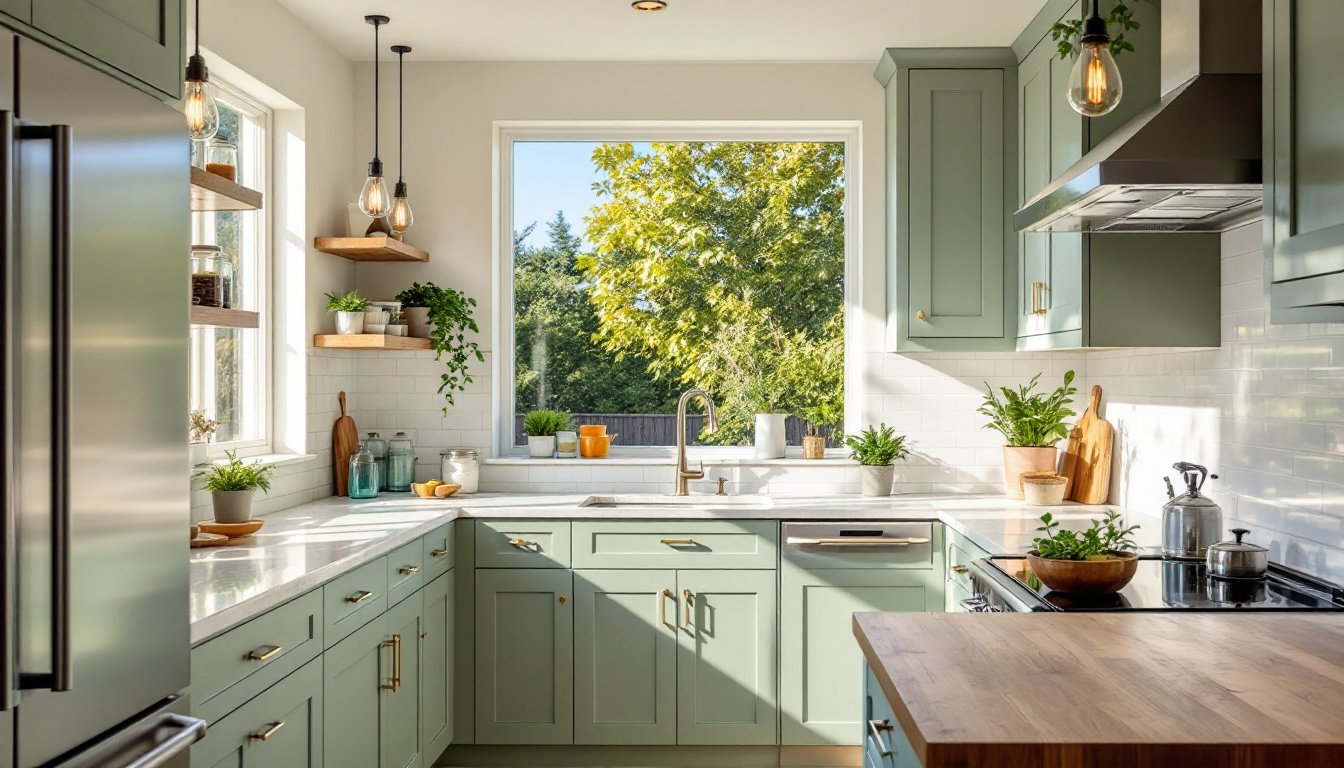
Color preferences have evolved too. While neutral palettes remain popular, they now include warmer undertones, creamy whites, soft beiges, and earthy greens replace stark grays. People want their homes to feel inviting rather than sterile.
Top Interior Design Trends Shaping Homes Today
Several interior design trends dominate 2025 and will likely continue into the coming years. Understanding these trends helps homeowners make informed decisions.
Curved Furniture and Soft Lines
Angular furniture is giving way to rounded edges and organic shapes. Curved sofas, oval coffee tables, and arched doorways create visual flow. These forms feel more approachable and comfortable. They also photograph well, a consideration in our social media age.
Biophilic Design Elements
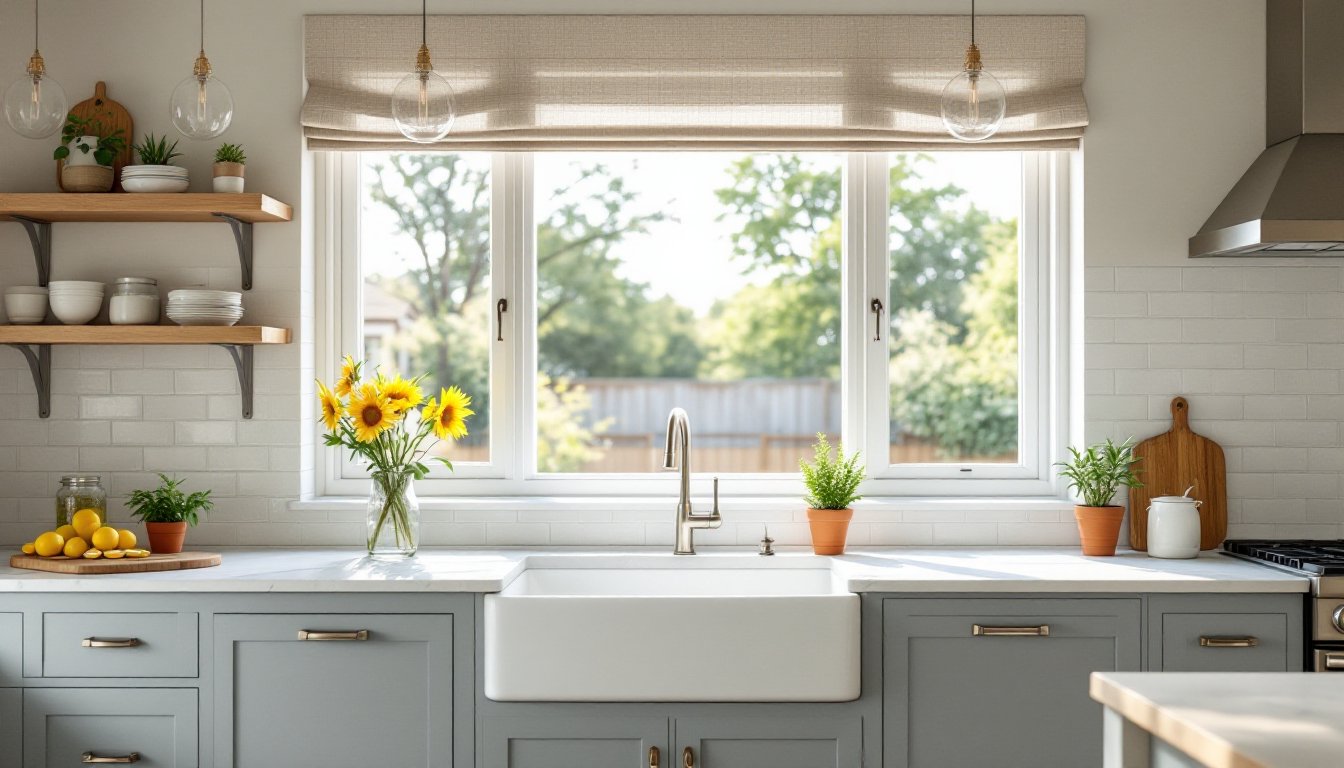
Bringing nature indoors remains a strong interior design trend. This goes beyond houseplants. Natural materials like stone, wood, and clay appear in finishes and fixtures. Large windows that maximize natural light become priorities in renovations. Water features and living walls show up in higher-end projects.
Bold Color Accents
While overall palettes stay warm and neutral, accent colors have gotten bolder. Deep burgundies, forest greens, and rich terracotta appear on statement walls, upholstery, and cabinetry. These colors add personality without overwhelming a space.
Textural Layering
Smooth surfaces are out. Textural variety is in. Interior design trends strategies now emphasize mixing materials: bouclé fabrics with leather, rough-hewn wood with polished metal, woven rugs with velvet cushions. This layering adds depth and visual interest.
Vintage and Antique Integration
Brand-new-everything looks dated fast. The most current interiors mix vintage pieces with contemporary items. A mid-century chair might sit next to a modern lamp. An antique mirror could hang in a freshly renovated bathroom. This approach creates spaces with character and story.
Practical Strategies for Incorporating New Trends
Knowing interior design trends is one thing. Applying them effectively requires strategy. Here are actionable approaches for incorporating new trends without costly mistakes.
Start Small With Accessories
Before committing to major purchases, test trends through smaller items. Throw pillows, vases, artwork, and textiles let homeowners experiment. If a bold color feels right in cushion form, consider it for larger pieces later. This interior design trends strategy minimizes regret.
Focus on One Room at a Time
Scattered updates across an entire home create visual chaos. Pick one space to refresh completely. A cohesive room has more impact than half-finished changes everywhere. This focused approach also helps budget management.
Invest in Foundational Pieces
Sofas, dining tables, and beds should be high-quality neutrals. These items last years and form the backbone of a room. Trend-forward elements can layer on top. Interior design trends strategies work best when they enhance rather than replace good basics.
Consider Resale Value
Very personal or unusual choices might complicate future home sales. In main living areas, balance trends with broadly appealing elements. Save the most experimental interior design trends for private spaces or easily changed features.
Work With Existing Architecture
Not every trend suits every home. A Victorian house calls for different interior design trends strategies than a mid-century ranch. Let the bones of a space guide decisions. Fighting architectural character rarely works.
Mix Price Points Strategically
Splurge on items that get daily use or sit at eye level. Save on less visible elements. A beautiful light fixture can elevate budget furniture. An inexpensive rug might work perfectly under a statement coffee table.
Balancing Timeless Style With Current Trends
The best interior design trends strategies blend current looks with classic appeal. Spaces that feel both fresh and enduring require careful balance.
The 80/20 Rule: Keep roughly 80% of a room’s major elements timeless. Dedicate 20% to trend-driven pieces. This ratio ensures spaces age well while still feeling current. When trends shift, only minor updates are needed.
Choose Classic Silhouettes in Current Colors: A traditional sofa shape in a trendy fabric offers the best of both worlds. The form remains appealing for years. The covering can change as interior design trends evolve.
Layer Trends Thoughtfully: Don’t pile every current trend into one space. Pick two or three that complement each other. A room with curved furniture, biophilic elements, AND bold colors AND heavy texture can feel chaotic. Restraint makes individual choices stand out.
Trust Personal Taste Over Trend Reports: Interior design trends strategies should enhance, not override, personal preferences. If someone hates a popular color, skipping it entirely makes sense. Living with disliked elements creates daily dissatisfaction.
Plan for Easy Updates: Choose paint colors that repaint easily. Select furniture that works with multiple color schemes. Install lighting with standard fixtures. These choices make future interior design trends easier to adopt.
The goal isn’t following every trend perfectly. It’s creating spaces that feel intentional and personal while incorporating elements that make a home feel current.