
Table of Contents
ToggleInterior design trends examples shape how people create stylish, functional homes in 2025. From natural materials to bold color choices, today’s design landscape offers something for every taste. Whether someone wants a cozy retreat or a statement-making living room, these interior design trends examples provide real inspiration. This guide explores the most popular styles shaping modern interiors right now, complete with practical ideas readers can use in their own spaces.
Key Takeaways
- Interior design trends examples in 2025 emphasize natural materials like wood, stone, and rattan paired with earthy color palettes for warm, grounded spaces.
- Curved furniture and organic shapes are replacing sharp angles, creating welcoming rooms that feel more relaxed and comfortable.
- Bold color statements and maximalism are making a comeback, with color drenching and pattern mixing allowing homeowners to express personality.
- Sustainable design has become a mainstream priority, encouraging investments in reclaimed materials, vintage pieces, and quality items built to last.
- Multifunctional spaces and smart home integration address modern living needs, making rooms adaptable for work, relaxation, and entertaining.
- These interior design trends examples can be applied at any scale—from full room makeovers to small accent updates that transform neutral spaces.
Natural Materials and Earthy Tones
One of the strongest interior design trends examples in recent years is the shift toward natural materials. Homeowners are choosing wood, stone, rattan, and linen over synthetic alternatives. These materials bring warmth and texture to any room.
Earthy tones dominate color palettes. Think terracotta, olive green, warm beige, and soft clay. These colors create calm, grounded spaces that feel connected to nature.
Here’s how designers apply this trend:
- Living rooms feature reclaimed wood coffee tables and jute rugs
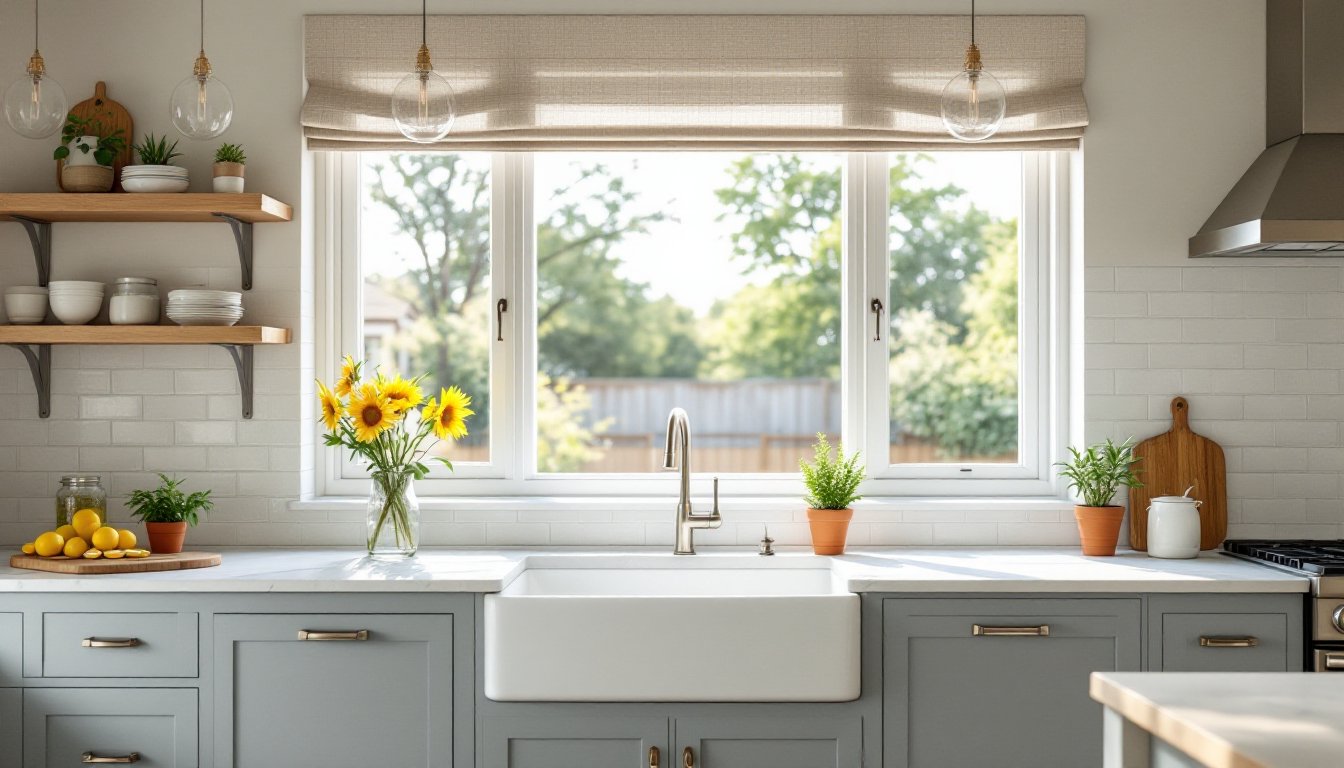
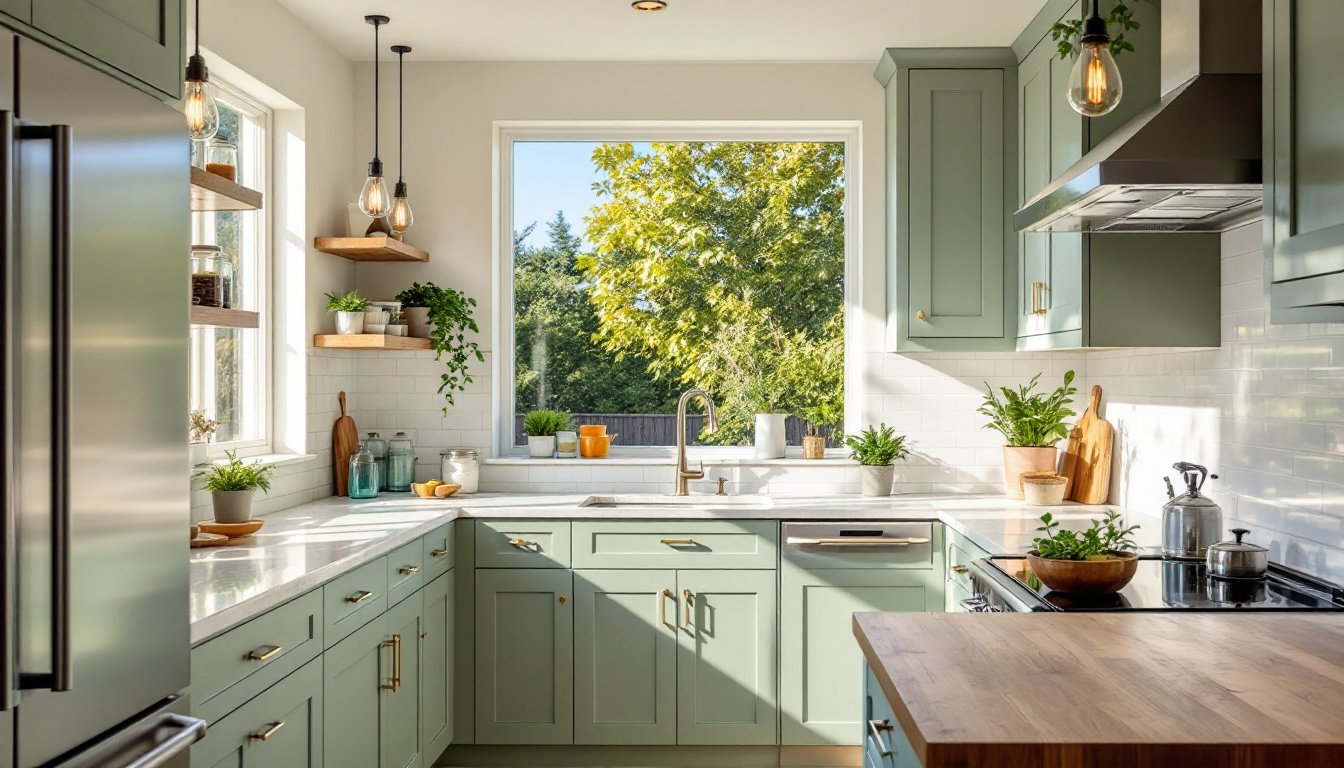
- Kitchens showcase natural stone countertops and open wooden shelving
- Bedrooms include linen bedding and rattan headboards
This approach works well in both minimalist and layered interiors. The key is balancing different textures. A smooth marble surface next to a rough-hewn wooden bowl creates visual interest without overwhelming the space.
Natural materials also age beautifully. Unlike mass-produced items, they develop character over time. A leather chair gets softer. Wood develops a patina. These changes add authenticity that synthetic materials simply can’t match.
Curved Furniture and Organic Shapes
Sharp angles are giving way to soft curves. This ranks among the most visible interior design trends examples in furniture showrooms and design magazines.
Curved sofas, rounded dining tables, and arched doorways are everywhere. These shapes feel welcoming and encourage conversation. They also break up the rigid lines found in most architecture.
Popular curved furniture pieces include:
- Kidney-shaped sofas
- Round ottomans and poufs
- Oval coffee tables
- Egg chairs and barrel armchairs
Designers trace this trend back to 1970s aesthetics, but today’s versions feel fresh. Modern curved furniture uses updated fabrics like bouclé and performance velvet. The silhouettes are cleaner, less exaggerated.
Organic shapes extend beyond furniture. Light fixtures with blob-like forms, irregularly shaped mirrors, and sculptural vases all fit this category. These pieces serve as focal points without feeling harsh or aggressive.
The psychological effect matters too. Curved lines register as safe and comfortable to the human brain. Rooms filled with organic shapes tend to feel more relaxed than those dominated by straight edges.
Bold Color Statements and Maximalism
After years of neutral minimalism, color is back in a big way. Bold color statements represent some of the most exciting interior design trends examples right now.
Maximalism encourages mixing patterns, layering textures, and embracing saturated hues. Deep burgundy walls, cobalt blue kitchens, and emerald green accent rooms are gaining popularity. These choices reflect personality and create memorable spaces.
Some ways homeowners embrace this trend:
- Painting entire rooms in dramatic colors like forest green or navy
- Mixing multiple patterns, florals with stripes, geometrics with plaids
- Displaying curated collections openly rather than hiding them away
- Using bold wallpaper as a statement piece
This doesn’t mean chaos. Successful maximalist interiors follow a cohesive color story. They might use five or six colors, but those colors relate to each other. The result feels intentional, not accidental.
Color drenching is one specific technique gaining traction. This involves painting walls, trim, ceiling, and even doors the same color. The monochromatic approach creates drama while maintaining visual calm.
For those hesitant to commit, smaller doses work too. A single piece of jewel-toned furniture or colorful artwork can transform a neutral room without permanent changes.
Sustainable and Eco-Friendly Design
Sustainability has moved from niche concern to mainstream priority. Eco-friendly design now represents essential interior design trends examples that reflect changing values.
Consumers want to know where materials come from. They ask about manufacturing processes. They seek products with longer lifespans. This shift affects everything from textiles to paint choices.
Key sustainable design practices include:
- Choosing furniture made from reclaimed or FSC-certified wood
- Selecting low-VOC paints and finishes
- Buying vintage and secondhand pieces
- Investing in quality items that last decades
- Supporting local artisans to reduce transportation impact
Sustainability also influences material innovation. Cork flooring, recycled glass countertops, and fabrics made from ocean plastics are entering mainstream design. These options perform well while reducing environmental impact.
The “buy less, buy better” philosophy drives many purchasing decisions. Instead of replacing furniture every few years, homeowners invest in well-made pieces they’ll keep for a lifetime. This approach often costs more upfront but saves money over time.
Vintage furniture fits perfectly here. Mid-century modern pieces, antique rugs, and inherited items add character while keeping usable items out of landfills. Mixing old and new creates interiors with depth and story.
Multifunctional Spaces and Smart Integration
How people use their homes has changed dramatically. Multifunctional spaces address new realities like remote work and smaller living quarters. This stands out as one of the most practical interior design trends examples.
Rooms now serve multiple purposes. A dining room doubles as a home office. A guest bedroom includes workout equipment. A living room contains hidden storage for toys and work supplies.
Smart design solutions include:
- Murphy beds that fold into wall units
- Desks that convert to dining tables
- Storage ottomans and benches
- Room dividers that define zones without walls
- Built-in shelving that maximizes vertical space
Technology integration plays a growing role. Smart lighting adjusts color temperature throughout the day. Voice-controlled systems manage thermostats, blinds, and entertainment. Wireless charging pads hide in furniture surfaces.
The goal is seamless function. Technology should support daily life without cluttering spaces or demanding attention. Hidden speakers, concealed TV mounts, and integrated USB ports achieve this balance.
Zoning techniques help single rooms serve multiple functions. Area rugs define separate spaces within open floor plans. Lighting changes signal different uses, bright task lighting for work, ambient warmth for relaxation. These strategies make compact homes feel larger and more versatile.