Table of Contents
ToggleChoosing a kitchen sink isn’t just about drainage, it’s a design decision that affects workflow, aesthetics, and resale value. The right sink anchors the workspace, sets the tone for the rest of the kitchen, and handles daily abuse from dish piles, hot pans, and abrasive cleaners. In 2026, homeowners are moving past builder-grade stainless drop-ins toward statement pieces that blend form and function. Whether planning a full remodel or a targeted upgrade, understanding current sink styles, materials, and installation methods helps ensure the choice fits both the design vision and the way the kitchen actually gets used.
Key Takeaways
- Farmhouse sinks offer superior capacity and ergonomic benefits with their deep 8-10 inch basins and extended apron design, though they require modified cabinets and careful consideration of material weight and countertop compatibility.
- Undermount sinks create seamless, minimalist kitchen aesthetics and simplify cleanup by allowing spills to drain directly into the basin, but they work best with solid-surface countertops like granite or quartz rather than laminate.
- Matte black kitchen sink designs have become one of 2026’s most versatile trend-driven choices, hiding water spots better than polished finishes while delivering high contrast in both light and dark kitchen schemes.
- Integrated sink and countertop designs eliminate hygiene risks by removing seams and crevices where bacteria can hide, though they cost 30-60% more and feature shallower basins unsuitable for large cookware.
- Workstation sinks maximize prep efficiency by integrating built-in accessories like cutting boards and colanders directly into the basin design, making them ideal for kitchens with limited counter space.
- Material selection between stainless steel (affordable and durable), composite granite (scratch-resistant and quiet), and fireclay (elegant but chip-prone) should align with your budget, maintenance preferences, and how intensively the kitchen gets used.
Farmhouse Sinks: Rustic Charm Meets Modern Functionality
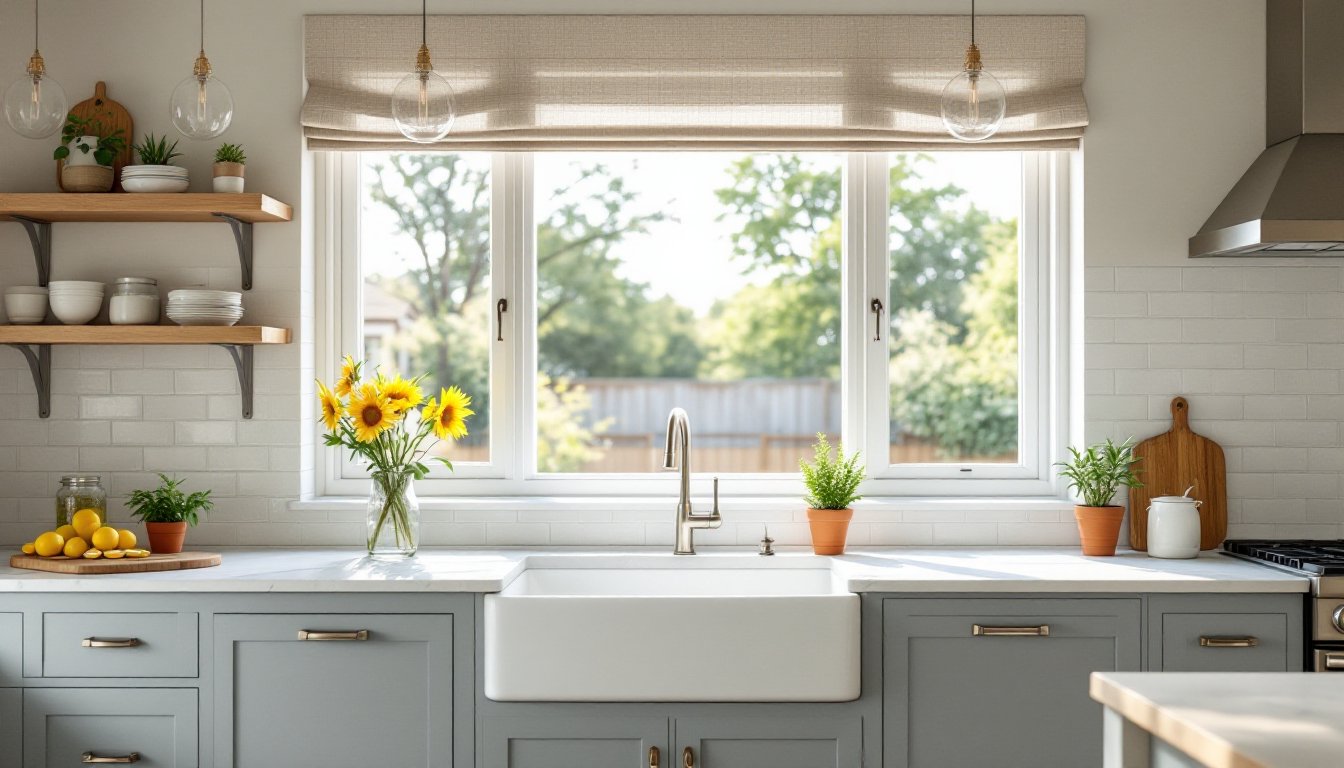
Farmhouse sinks, also called apron-front sinks, feature an exposed front panel that extends past the edge of the countertop. The design dates back to agricultural kitchens, where deep basins handled oversized pots and canning equipment. Today’s versions blend that utilitarian heritage with refined finishes and ergonomic improvements.
Most farmhouse sinks measure 30 to 36 inches wide and 8 to 10 inches deep, offering more capacity than standard undermounts. The deep basin reduces splashing and accommodates roasting pans, stock pots, and baking sheets without awkward tilting. The front apron eliminates the cabinet face between the user and the sink, reducing reach distance and easing strain on the lower back during long prep sessions.
Installation requires a modified base cabinet with the front rail removed to accommodate the apron. If retrofitting an existing kitchen, verify that the cabinet box and countertop can support the sink’s weight, fireclay and cast iron models often exceed 100 pounds when empty. Countertop materials like laminate or tile need special edge treatments: stone and solid-surface tops usually handle the transition more cleanly. This type of sink pairs well with broader home renovation ideas that emphasize open, accessible design.
Common materials include fireclay (durable, heavy, prone to chipping if struck hard), stainless steel (lighter, noisier, prone to water spots), and composite granite (scratch-resistant, matte finish). White fireclay remains the most popular choice for traditional and transitional kitchens, while matte black fireclay is gaining traction in modern farmhouse styles.
Undermount Sinks for a Sleek, Seamless Look
Undermount sinks attach to the underside of the countertop, leaving the rim hidden and the counter edge exposed. The seamless transition between counter and basin creates clean sightlines and simplifies cleanup, crumbs and spills sweep directly into the sink without catching on a raised rim.
This installation style works best with solid-surface countertops: granite, quartz, marble, or solid-surface composites like Corian. The countertop edge must be finished and sealed since it’s exposed to water. Laminate countertops generally can’t support undermounts because the particle board substrate swells when wet. Some fabricators offer modified undermount clips for laminate, but longevity is questionable.
Installation requirements include epoxy adhesive, mechanical clips, and sometimes a plywood brace screwed to the underside of the countertop for added support. The sink’s weight transfers entirely to the counter, so thinner stone (less than ¾ inch) may crack over time, especially with heavy cast-iron or composite models. Plan for a ½-inch to ¾-inch reveal where the counter edge overhangs the basin, any less and the edge becomes fragile: any more and water doesn’t drain cleanly into the sink.
Undermounts suit top home renovation ideas for modern and contemporary kitchens where minimalism and ease of maintenance take priority. Pair with a pull-down faucet and a low-profile soap dispenser to keep the counter plane uninterrupted. Stainless steel and composite granite are the most popular undermount materials due to weight, cost, and durability.
Bold Black and Matte Finishes for Contemporary Kitchens
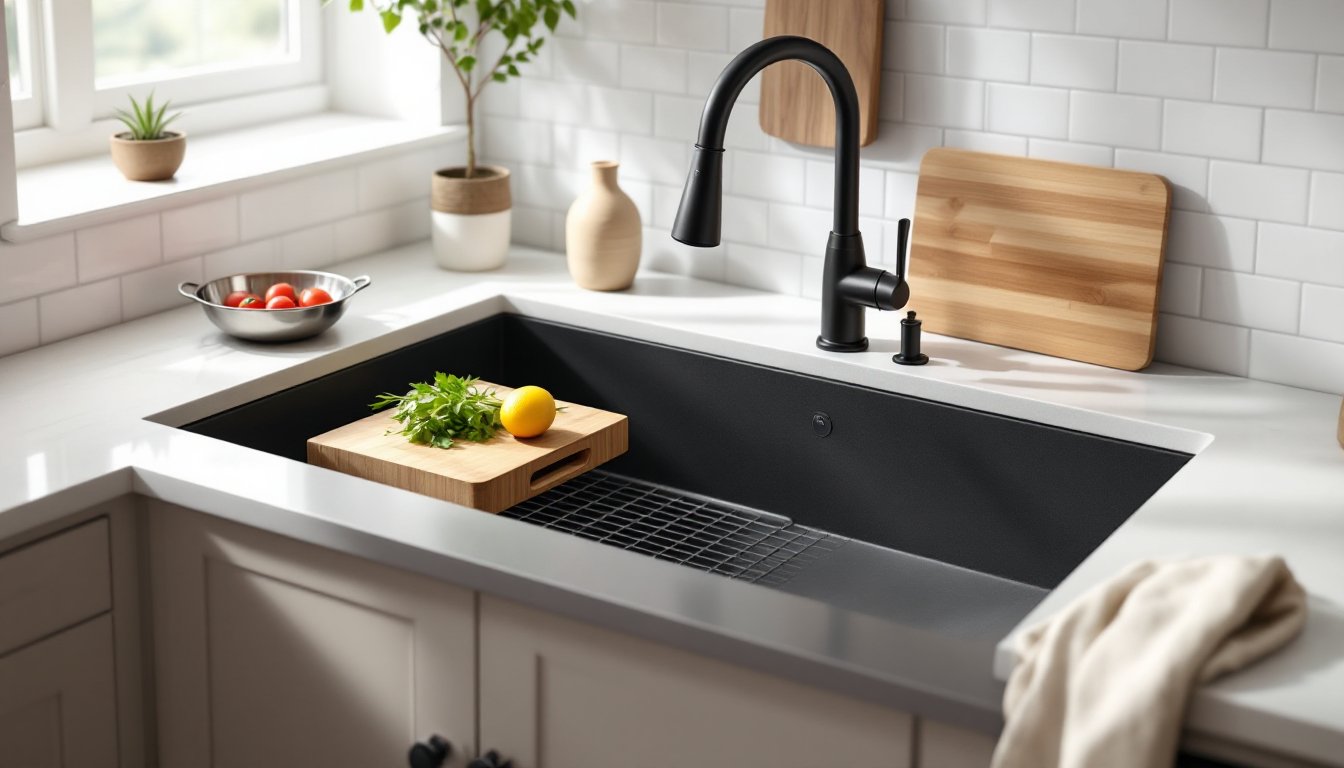
Matte black sinks deliver high contrast in light-toned kitchens and monochrome cohesion in darker schemes. The finish hides water spots better than polished stainless and adds visual weight without requiring ornate detailing. In 2026, black sinks appear in every style, from industrial lofts to Scandinavian minimalism, making them one of the most versatile trend-driven choices.
Material options include matte black stainless steel (PVD coating over standard stainless), composite granite (quartz and acrylic resin blend), and fireclay with a matte glaze. PVD (physical vapor deposition) coatings are more scratch-resistant than painted finishes, though sharp utensils and abrasive cleaners can still damage the surface over time. Composite granite in black resists scratches and stains better than coated stainless but weighs more and costs 15–30% more on average. This aesthetic also complements the trends seen in interior design trends examples focused on bold, statement-making elements.
Black sinks pair naturally with matte black faucets, cabinet hardware, and lighting fixtures. When combining finishes, keep the sheen level consistent, matte sinks look odd with polished fixtures. For contrast, brushed gold, aged brass, or polished nickel hardware can offset the black without clashing.
Maintenance is straightforward: avoid bleach-based cleaners on PVD coatings, and use a soft sponge rather than steel wool. Hard water leaves white mineral deposits on black surfaces, so wipe dry after use or install a water softener if the local supply has high calcium content. According to Remodelista, matte finishes also require periodic re-sealing in some composite materials to maintain stain resistance.
Integrated Sink and Countertop Designs
Integrated sinks are molded or fabricated as a single, continuous piece with the countertop, no seams, no caulk lines, no joints where water and grime collect. The approach works best with solid-surface materials (Corian, Avonite, or similar acrylics) and cast polymer composites, both of which can be thermoformed or CNC-routed to create seamless transitions.
The chief advantage is hygiene and ease of cleaning. With no crevices, bacteria and mold have nowhere to hide. Integrated designs also eliminate the risk of undermount clips failing or caulk deteriorating over time. The aesthetic is minimalist and sculptural, ideal for contemporary kitchens where the counter and sink read as a single functional surface.
Fabrication is custom work. Off-the-shelf integrated tops exist in standard sizes (typically 25, 31, 37, 49, and 61 inches wide), but most homeowners ordering integrated sinks want a tailored fit for their layout. Expect fabrication lead times of 2–4 weeks and costs that run 30–60% higher than comparable undermount installations. The basin depth is often shallower (around 6–7 inches) due to material thickness limitations, which can be a drawback for those who regularly wash large cookware.
Solid-surface materials scratch more easily than quartz or granite, so use cutting boards and trivets religiously. Minor scratches can be sanded out with fine-grit pads, which is an advantage over stone. Many best home renovation ideas incorporate integrated sinks in powder rooms, wet bars, and butler’s pantries where a clean, streamlined look matters more than heavy-duty durability.
Workstation Sinks with Built-In Accessories
Workstation sinks transform the basin into a multi-function prep zone by integrating accessories directly into the sink design. Ledges molded into the rim support cutting boards, colanders, drying racks, and rolling grids that slide along tracks. The concept turns the sink into a prep station, washing station, and drying area without monopolizing counter space.
Most workstation sinks are single-bowl undermounts made from 16- or 18-gauge stainless steel, though composite granite and fireclay versions are now available. The key feature is the integrated ledge (or rail system) that sits ½ inch to 1 inch below the rim, providing a stable surface for accessories while allowing water to drain beneath. Some models include multiple tiers for stacking accessories or dedicated knife slots and utensil bins.
Popular accessories include solid bamboo or polymer cutting boards that nest over the basin, stainless steel colanders for rinsing produce, roll-up silicone drying mats, and tiered drying racks. High-end models from brands featured on The Kitchn include built-in knife blocks, compost chutes, and sliding trash bins. When selecting accessories, verify compatibility, most are proprietary to the sink manufacturer.
Workstation sinks work best in kitchens where counter space is limited or where a single cook handles most tasks. They’re less practical in homes with multiple cooks working simultaneously, since the sink becomes a bottleneck. Installation is identical to standard undermounts, though the added weight of accessories and stored items may require reinforced countertop support. This functional upgrade also fits naturally within broader home renovation ideas examples emphasizing efficiency and smart use of space.
Choosing the Right Material: Stainless Steel, Granite, or Fireclay
Material choice affects durability, maintenance, noise, and cost. The three most common sink materials, stainless steel, composite granite, and fireclay, each suit different priorities.
Stainless steel remains the workhorse. Most residential sinks are 16- or 18-gauge (the lower the number, the thicker and quieter the steel). 16-gauge resists denting better and dampens sound more effectively, especially when paired with undercoating or sound-deadening pads. Stainless is heat-resistant, stain-resistant, and affordable, with quality undermounts starting around $150–$300. The downsides: water spots, scratches from abrasive pads, and a somewhat industrial look that doesn’t suit every style. Brushed or satin finishes hide wear better than polished.
Composite granite (also called quartz composite) blends 80% quartz aggregate with acrylic resins. The result is a dense, non-porous surface that resists scratches, stains, and heat up to 535°F. Composite sinks are nearly silent, no metallic ping when dishes hit the basin. They’re available in dozens of colors, from classic black and white to earth tones that coordinate with stone countertops. Expect to pay $250–$600 depending on size and brand. The main drawback is weight, these sinks often weigh 40–60 pounds, requiring robust countertop support.
Fireclay is molded ceramic coated with a porcelain-enamel glaze and fired at high temperatures. The finish is smooth, glossy, and highly stain-resistant, though vulnerable to chipping if struck by heavy cookware. Fireclay farmhouse sinks are especially popular in traditional and transitional kitchens. Prices range from $400–$1,200, and weight can exceed 100 pounds, so cabinet reinforcement is often necessary. Daily care involves non-abrasive cleaners: the glaze dulls over time if scrubbed with harsh chemicals. Designers on Homedit frequently showcase fireclay as a statement piece in high-contrast kitchens.
Conclusion
Sink selection hinges on how the kitchen gets used, what the countertop can support, and which aesthetic fits the broader design. Farmhouse sinks suit traditional and transitional styles with deep basins for heavy use. Undermounts offer seamless integration in modern layouts. Bold finishes like matte black add contrast and conceal water spots. Integrated designs eliminate seams entirely, while workstation sinks maximize prep efficiency in tight spaces. Material choice, stainless, composite, or fireclay, balances budget, durability, and maintenance. Measure twice, verify cabinet and countertop compatibility, and don’t skip sound dampening or proper support. The right sink anchors the kitchen for years.