
Table of Contents
ToggleThis interior design trends guide breaks down what homeowners and designers are embracing in 2025. The year brings a mix of warmth, sustainability, and technology into living spaces. People want homes that feel both comfortable and functional. They’re choosing natural materials, bold colors, and smart solutions that fit modern lifestyles. Whether someone is renovating a single room or planning a full redesign, these trends offer practical inspiration. This guide covers the key movements shaping residential interiors right now.
Key Takeaways
- Warm minimalism defines 2025 interior design trends, combining simple spaces with organic materials like wood, stone, and natural textiles.
- Bold colors such as deep greens, burgundies, and navy blues are making a comeback as statement elements against neutral backgrounds.
- Sustainability drives purchasing decisions, with homeowners choosing reclaimed wood, vintage furniture, and eco-friendly materials.
- Multifunctional spaces address modern living needs through convertible rooms, smart storage, and flexible furniture solutions.
- Smart home technology now integrates seamlessly into interior design, with devices designed to blend with decor rather than stand out.
- The “buy once, buy well” philosophy encourages investing in quality pieces that last decades instead of disposable furnishings.
Warm Minimalism and Organic Materials
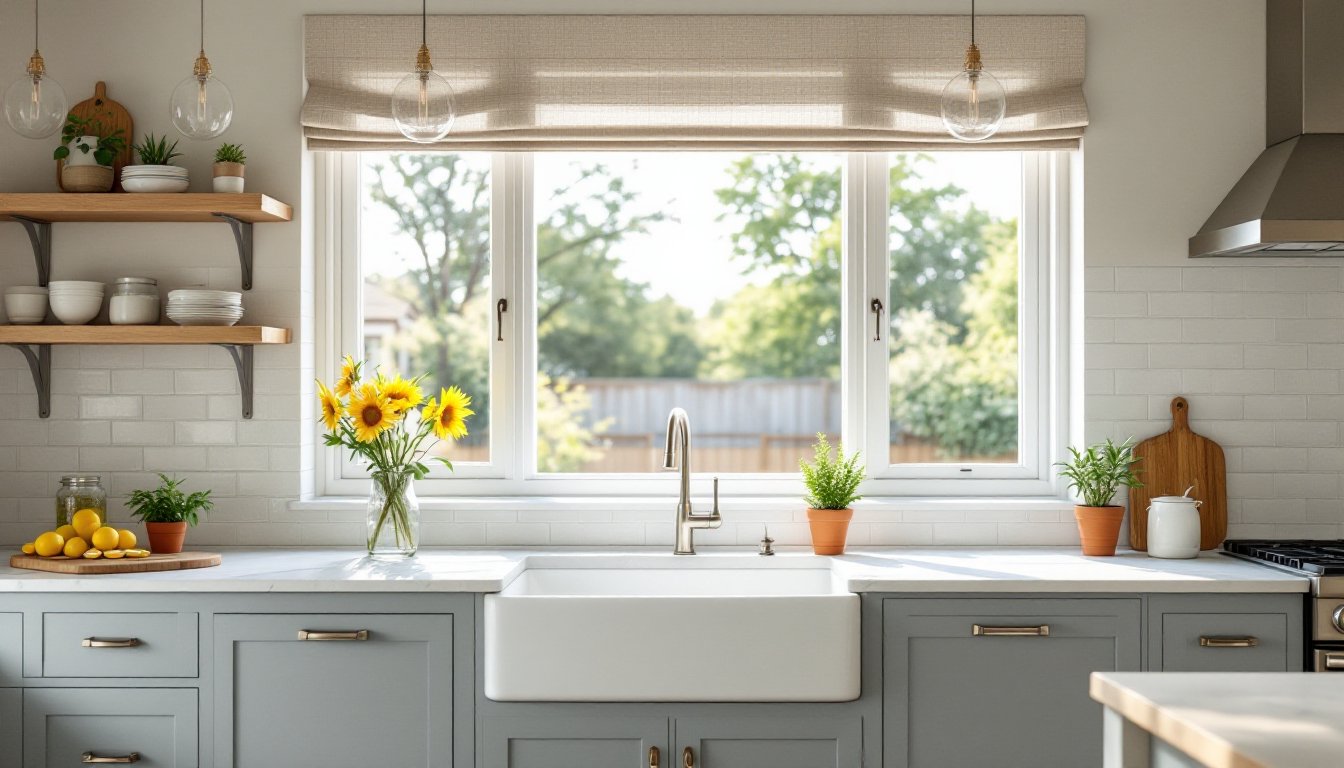
Warm minimalism has become the defining aesthetic of 2025 interior design trends. This style keeps spaces simple but adds warmth through texture and tone. Think soft curves, muted earth colors, and plenty of natural light.
Organic materials drive this trend forward. Wood, stone, linen, and wool replace cold, industrial finishes. Designers are using travertine for countertops and accent walls. Oak and walnut remain popular for furniture and flooring. Rattan and cane details add visual interest without cluttering a room.
The color palette stays grounded. Cream, beige, terracotta, and soft browns create calm environments. These shades work well in bedrooms, living rooms, and kitchens. They also photograph beautifully, a bonus for anyone who shares their home on social media.
Furniture shapes have softened considerably. Sharp corners are out. Rounded sofas, arched doorways, and curved accent chairs are in. This shift reflects a desire for comfort and approachability in living spaces.
Layered textures prevent warm minimalism from feeling flat. A room might combine a linen sofa, a wool throw, a jute rug, and ceramic vases. Each element adds depth while maintaining a cohesive look. The result feels intentional but never overdone.
Bold Colors and Statement Pieces
While warm neutrals dominate many spaces, bold colors are making a strong comeback in 2025. This interior design trends guide wouldn’t be complete without addressing the return of saturated hues.
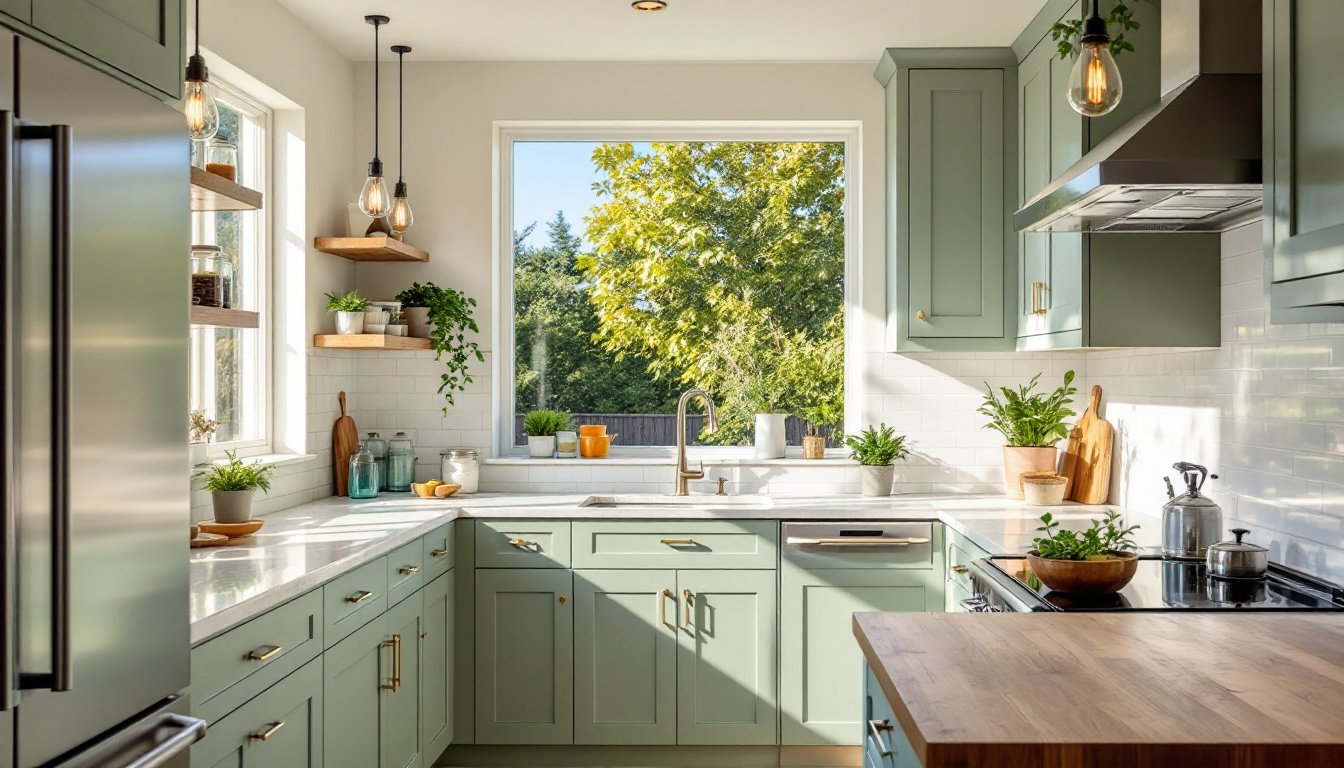
Deep greens, rich burgundies, and vibrant blues are appearing on walls, furniture, and accessories. Forest green kitchens have gained significant popularity. Navy blue accent walls add drama to bedrooms and home offices. These colors bring personality to rooms without overwhelming them.
Statement pieces serve as focal points. A sculptural light fixture can transform a dining room. An oversized piece of art anchors a living space. Bold patterned rugs draw the eye and define seating areas. These items give rooms character and conversation starters.
The trick is balance. Designers recommend pairing one or two bold elements with neutral backgrounds. A bright orange chair pops against a cream wall. A patterned wallpaper works best when furniture stays simple.
Velvet has returned as a texture of choice for statement furniture. Velvet sofas in jewel tones, emerald, sapphire, ruby, add luxury to spaces. The fabric catches light in interesting ways and feels indulgent to sit on.
Pattern mixing is also trending. Geometric prints sit alongside florals. Stripes complement abstract designs. The key is finding common colors that tie different patterns together.
Sustainable and Vintage Design Elements
Sustainability shapes many interior design trends in 2025. Homeowners want products that minimize environmental impact. They’re asking where materials come from and how long items will last.
Reclaimed wood has become a go-to choice. Old barn beams turn into mantels and shelving. Salvaged hardwood becomes flooring. These materials bring history and character to new constructions.
Vintage and secondhand furniture sales continue to climb. People shop estate sales, thrift stores, and online marketplaces for unique pieces. A mid-century dresser or an antique mirror adds personality that mass-produced items can’t match.
Upcycling projects appear in more homes. Old doors become headboards. Vintage suitcases serve as side tables. Wine crates transform into wall shelving. These projects reduce waste while creating one-of-a-kind pieces.
Brands have responded to demand for eco-friendly options. Many now offer furniture made from recycled materials. Bamboo, cork, and hemp-based products have expanded beyond niche markets. Low-VOC paints and finishes protect indoor air quality.
The “buy once, buy well” philosophy guides many purchases. People invest in quality pieces they’ll keep for decades rather than cheap items they’ll replace in a few years. This approach saves money long-term and reduces landfill waste.
Vintage textiles have also gained attention. Hand-woven rugs, embroidered cushions, and antique quilts add warmth and story to rooms. Each piece carries history that new items simply can’t replicate.
Multifunctional Spaces and Smart Home Integration
The way people use their homes has changed. This interior design trends guide highlights how spaces now serve multiple purposes.
Home offices remain important. But they’re blending into living areas more seamlessly. A desk nook in a living room. A convertible guest room that doubles as a workspace. Murphy beds with built-in desks solve small-space challenges.
Open floor plans are getting softer divisions. Instead of walls, designers use bookcases, curtains, and area rugs to define zones. A living room flows into a dining area, but each space maintains its own identity.
Storage solutions have become smarter. Built-in cabinets maximize every inch. Furniture with hidden compartments keeps clutter out of sight. Ottoman beds provide extra bedding storage. These solutions matter especially in urban apartments where square footage costs a premium.
Smart home technology integrates more naturally into interior design trends now. Voice-controlled lighting, automated blinds, and invisible speakers no longer look like afterthoughts. Manufacturers design these products to blend with decor.
Wireless charging stations hide in furniture surfaces. Thermostats come in colors beyond standard white. Security cameras disguise themselves as decorative objects. Technology serves the home without dominating it visually.
Outdoor-indoor living continues to expand. Large sliding doors connect kitchens to patios. Indoor plants create green transitions. Materials like concrete and natural stone flow from interior to exterior spaces.