
Table of Contents
ToggleInterior design trends shift faster than most people repaint their living rooms. The gap between 2024 and 2025 interior design trends reveals some surprising pivots, and a few expected evolutions. Some styles have faded. Others have gained serious momentum. This comparison breaks down the major differences in color palettes, sustainability practices, technology use, and the ongoing battle between minimalism and maximalism. Whether someone is planning a full renovation or just wants to update a single room, understanding these interior design trends helps make smarter choices that won’t feel dated in six months.
Key Takeaways
- Interior design trends in 2025 favor bolder colors like forest greens and navy blues, moving away from 2024’s warm neutrals.
- The minimalism vs maximalism debate has shifted toward hybrid styles like “curated maximalism” that blend personality with organization.
- Sustainable design has evolved from a nice-to-have extra to a baseline expectation, with vintage furniture and reclaimed materials going mainstream.
- Technology integration in 2025 interiors prioritizes invisibility—hidden charging stations, seamless smart lighting, and disguised TVs that serve the design rather than disrupt it.
- Darker woods like walnut and mahogany have replaced the light Scandinavian-inspired woods that dominated 2024 interior design trends.
- Mixing metals, textures, and patterns—once considered chaotic—is now a hallmark of sophisticated 2025 spaces.
Key Differences Between 2024 and 2025 Design Aesthetics
The shift from 2024 to 2025 interior design trends reflects changing priorities. In 2024, warm neutrals dominated. Designers favored creamy whites, soft beiges, and muted terracottas. The goal was comfort, spaces that felt like a visual hug after years of uncertainty.
2025 tells a different story. Bolder choices have emerged. Homeowners are ready to take risks again. The overall aesthetic has moved from “safe and cozy” to “intentional and expressive.”
Furniture shapes have changed too. 2024 leaned into curved sofas, rounded edges, and organic forms. These pieces offered softness and flow. In 2025, angular designs have made a comeback. Sharp lines and geometric structures now share space with those softer shapes, creating tension and visual interest.
Textures also differ between the two years. 2024 celebrated bouclé fabric, plush velvets, and natural linens. These materials still appear in 2025 interiors, but they’re now mixed with harder surfaces, polished concrete, raw metal, and glossy lacquer finishes. The contrast creates depth.
Color Palettes and Material Choices
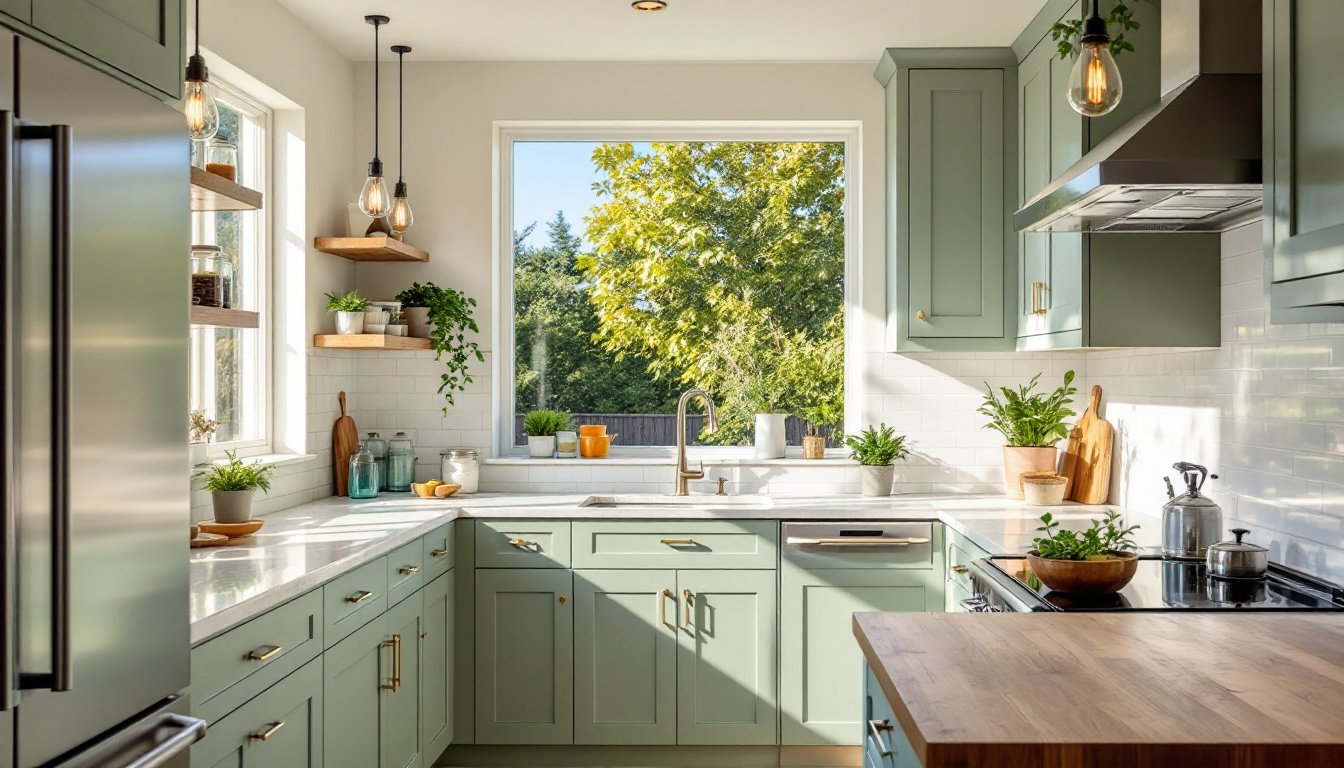
Color palettes in 2025 interior design trends have shifted dramatically. The soft, earthy tones of 2024 haven’t disappeared, but they’ve been joined by deeper, more saturated hues. Forest greens, navy blues, and rich burgundies now anchor many design schemes.
Material choices reflect this boldness. 2024 favored light woods, white oak, ash, and pale maple. These woods created airy, Scandinavian-inspired spaces. In 2025, darker woods have returned. Walnut, mahogany, and ebony-stained finishes bring weight and drama to interiors.
Stone selections have evolved as well. White marble with subtle veining was the 2024 standard. Now, designers are choosing stones with more personality, green marble, dramatic black granite, and terrazzo with oversized aggregate. These materials make bolder statements.
Metals have undergone a similar transformation. Brass and gold tones ruled 2024 hardware and fixtures. They added warmth without overwhelming. In 2025, chrome and silver finishes have surged back. Some designers mix both warm and cool metals in single spaces, a move that would have felt chaotic two years ago.
Minimalism vs Maximalism: Where the Pendulum Swings
The minimalism versus maximalism debate defines much of the 2024 to 2025 interior design trends conversation. Neither approach has won outright, but the balance has shifted.
2024 leaned minimalist. Clean lines, uncluttered surfaces, and “less is more” thinking dominated Pinterest boards and design magazines. People wanted calm spaces. They edited their possessions ruthlessly. White walls and sparse furniture arrangements became the default.
2025 has loosened that grip. Maximalism hasn’t taken over completely, but it’s gained ground. Gallery walls have returned. Pattern mixing, stripes with florals, geometric prints with animal motifs, appears in high-end interiors and budget makeovers alike.
The real winner might be “warm minimalism” or “curated maximalism”, approaches that borrow from both camps. These hybrid styles allow personality and visual interest without chaos. A mostly neutral room might feature one bold wallpapered wall. A maximalist space might maintain strict organization even though its visual abundance.
Collections are back in style. Where 2024 encouraged hiding possessions in closed storage, 2025 interior design trends celebrate displayed objects. Vintage ceramics, stacked books, and inherited art pieces add character that sterile minimalism lacks.
Layering has become essential. Rugs over rugs, throws over throws, pillows in varying sizes, these choices add richness. The “finished” room of 2024 often looked like a catalog photo. The ideal 2025 space looks lived-in and accumulated over time.
Sustainable Design vs Traditional Approaches
Sustainability has moved from trend to expectation. In 2024, eco-friendly choices were admirable extras. People chose sustainable options when convenient. By 2025, interior design trends position sustainability as a baseline requirement.
Reclaimed materials lead this shift. Salvaged wood, recycled glass tiles, and upcycled vintage furniture pieces now appear in mainstream design projects. What once required specialty sourcing has become accessible through major retailers.
Vintage and secondhand furniture buying has exploded. The stigma around used pieces has vanished. In fact, 2025 interior design trends often favor vintage finds over new purchases. A 1970s credenza carries more prestige than a brand-new reproduction.
Low-VOC paints and finishes have become standard. In 2024, consumers had to seek these options out. Now, most major paint brands offer low-emission formulas as their default product lines.
Biophilic design, bringing natural elements indoors, continues from 2024 into 2025. But, the approach has matured. Rather than just adding houseplants, designers now incorporate living walls, indoor water features, and natural light optimization into their plans.
Traditional approaches haven’t disappeared. Some homeowners still prioritize cost and convenience over environmental impact. But sustainable interior design trends have shifted from niche to normal faster than most industry observers predicted.
Technology Integration in Modern Interiors
Technology integration defines one of the sharpest contrasts between 2024 and 2025 interior design trends. Smart home features existed in 2024, but they often felt like afterthoughts. Visible wires, awkward device placements, and clunky interfaces disrupted otherwise beautiful spaces.
2025 has solved many of these problems. Hidden charging stations have become standard in furniture design. Coffee tables, nightstands, and desks now include wireless charging pads that blend invisibly into their surfaces.
Lighting control has advanced significantly. In 2024, smart bulbs required separate apps and complicated setup processes. Current systems integrate with voice assistants seamlessly. Circadian rhythm lighting, bulbs that adjust color temperature throughout the day, has moved from luxury to mainstream.
TV integration has improved dramatically. The “frame TV” concept, screens that display art when not in use, gained traction in 2024. By 2025, these disguised displays have become more affordable and convincing. Some newer models feature matte finishes that genuinely mimic canvas texture.
Home office technology has evolved too. After years of improvised work-from-home setups, 2025 interior design trends acknowledge remote work as permanent. Built-in desk lighting, integrated cable management, and soundproofing solutions now appear in standard residential designs.
Voice-controlled window treatments have become practical. Motorized blinds and curtains respond to simple commands. They also integrate with smart home systems to adjust automatically based on time, temperature, or sunlight levels.
The key difference between 2024 and 2025 tech integration? Invisibility. Technology now serves the design rather than competing with it.