
Table of Contents
ToggleInterior design trends tips are shaping how people style their homes in 2025. This year brings a mix of natural elements, bold choices, and practical layouts. Homeowners want spaces that look beautiful and work hard for daily life. The focus has shifted toward sustainable materials, warm minimalism, and rooms that serve multiple purposes. Whether someone plans a full renovation or a simple refresh, these interior design trends tips offer clear direction. This guide covers the top approaches that define modern home style right now.
Key Takeaways
- Natural materials like wood, stone, and rattan are dominating 2025 interior design trends, offering timeless appeal and lasting value.
- Warm minimalism combines clean lines with cozy textures, creating inviting spaces that feel simple yet comfortable.
- Bold accents and statement pieces add personality—limit vibrant colors or dramatic lighting to one or two focal points per room.
- Multi-purpose furniture like Murphy beds and modular sofas helps rooms adapt to work, rest, and entertainment needs.
- Sustainable design choices, including recycled materials, low-VOC paints, and secondhand furniture, are now essential interior design trends tips for eco-conscious homeowners.
Embracing Natural Materials and Earthy Tones
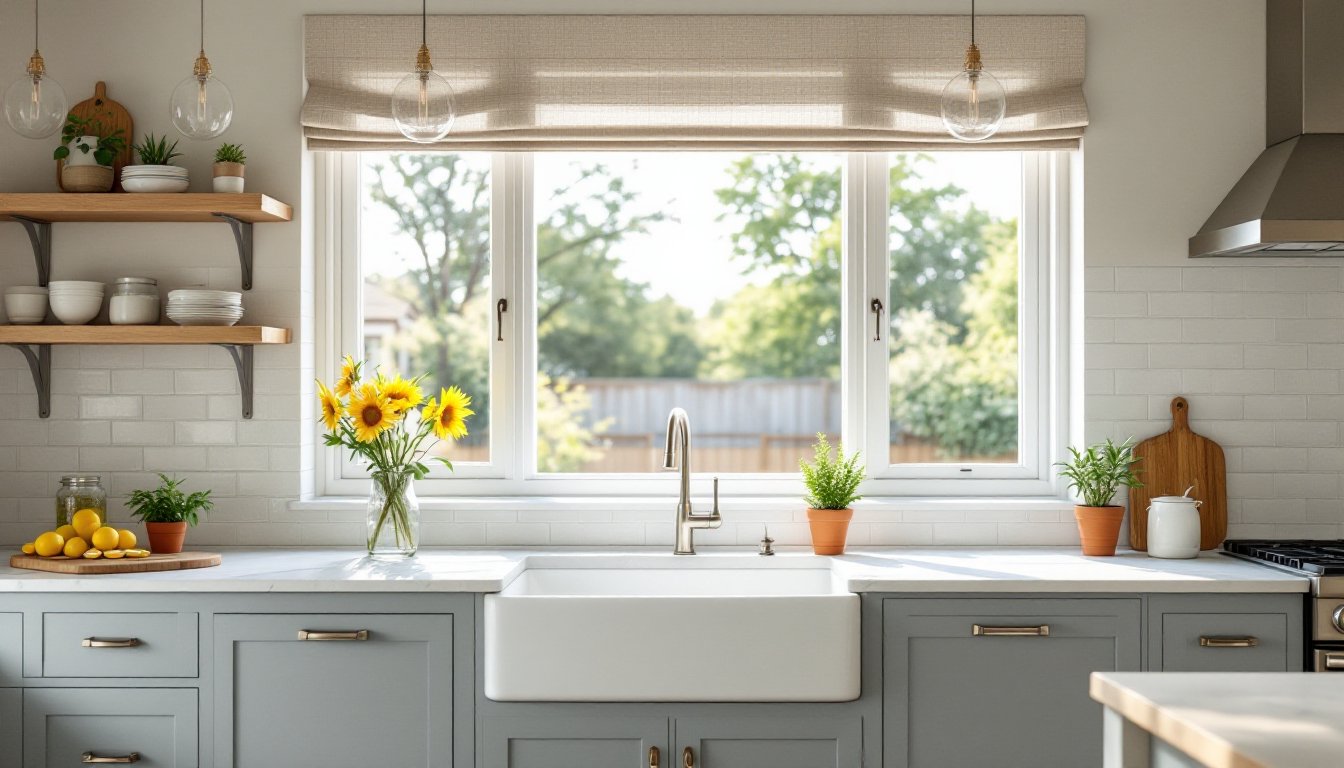
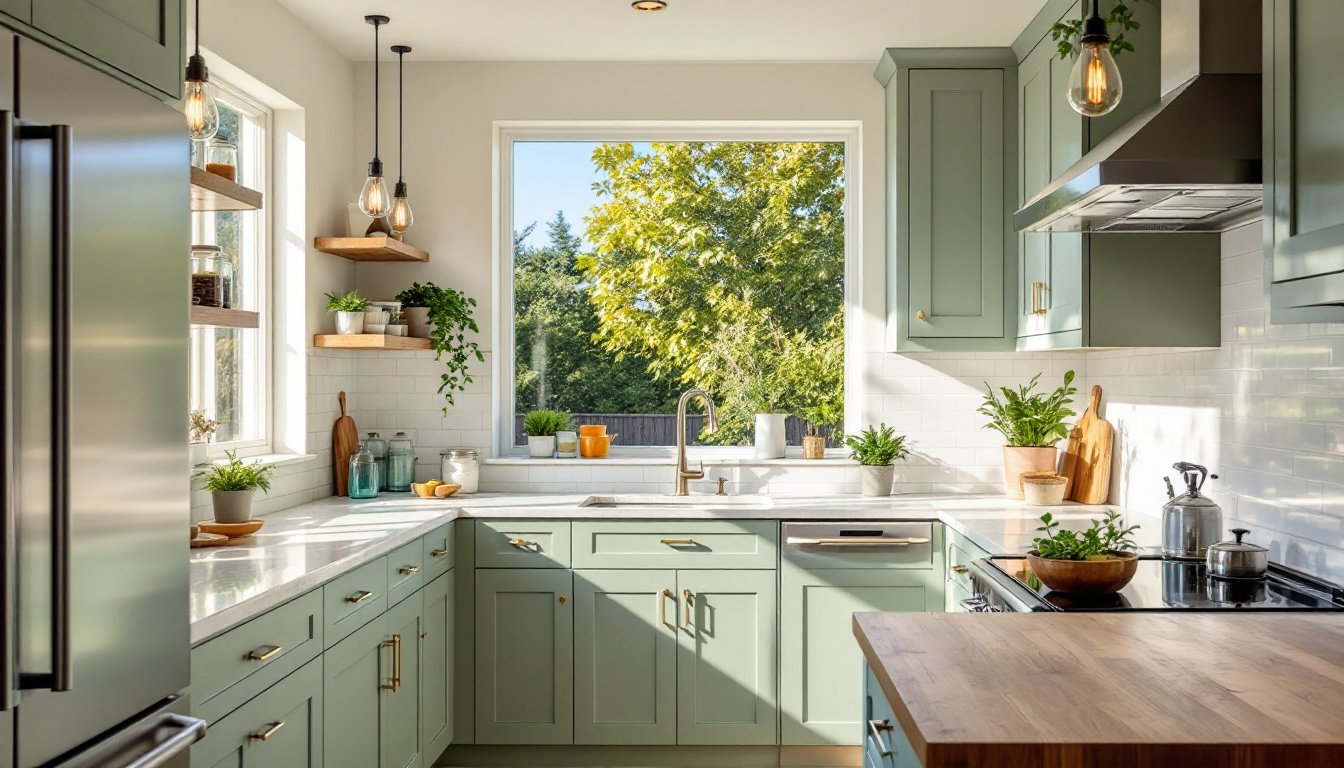
Natural materials dominate interior design in 2025. Wood, stone, rattan, and clay bring warmth and texture to any room. These elements connect indoor spaces with the outdoors, creating a calm atmosphere.
Earthy tones like terracotta, olive green, warm beige, and soft browns appear on walls, furniture, and decor. These colors feel grounding and timeless. They pair well with neutral bases and add depth without overwhelming a space.
Designers recommend mixing different textures within the same color family. A linen sofa next to a wooden coffee table and a jute rug creates visual interest. The combination feels layered yet cohesive.
Live-edge wood furniture remains popular. Each piece shows natural grain patterns and unique edges. This style adds character to dining tables, shelving, and headboards.
Stone accents also make a strong statement. Marble, travertine, and limestone work as countertops, fireplace surrounds, and decorative objects. These materials age beautifully and last for decades.
For those following interior design trends tips closely, natural materials offer lasting value. They don’t feel dated after a year or two. Instead, they grow more appealing over time.
Blending Minimalism With Warmth
The cold, stark minimalism of past years has evolved. In 2025, people want clean lines with cozy appeal. This approach keeps clutter away while making rooms feel inviting.
Warm minimalism uses neutral palettes with soft textures. Think cream walls, camel leather chairs, and chunky knit throws. Every item serves a purpose, but nothing feels sterile.
Furniture with curved edges softens the look. Round dining tables, arched mirrors, and oval coffee tables replace sharp corners. These shapes create flow and comfort.
Lighting plays a key role in this style. Warm-toned bulbs and layered light sources, floor lamps, table lamps, and overhead fixtures, prevent harsh shadows. Dimmer switches allow mood adjustments throughout the day.
Storage solutions stay hidden but accessible. Built-in cabinets, floating shelves with baskets, and furniture with concealed compartments keep spaces tidy. The goal is simplicity without sacrifice.
Interior design trends tips often highlight this balance between less and more. People want breathing room in their homes. They also want comfort. Warm minimalism delivers both.
Incorporating Bold Accents and Statement Pieces
Neutral foundations need personality. Bold accents and statement pieces bring energy to any room without creating chaos.
Color-blocking with rich hues like deep blue, burnt orange, or forest green adds drama. An accent wall, a vibrant sofa, or colorful artwork can transform a plain space. The key is limiting bold choices to one or two areas per room.
Statement lighting fixtures make excellent focal points. Sculptural pendants, oversized chandeliers, and artistic floor lamps draw the eye upward. These pieces function as both light sources and art.
Vintage and antique finds also stand out. A mid-century sideboard, an ornate mirror, or a retro armchair adds history to modern rooms. Mixing eras creates depth and tells a story.
Textile patterns bring visual punch too. Geometric prints, abstract designs, and botanical motifs on pillows, rugs, and curtains inject character. Pattern mixing works when colors share a common thread.
For anyone applying interior design trends tips, balance matters most. Bold pieces need breathing room. Surrounding them with calmer elements lets them shine without competing for attention.
Creating Functional Multi-Purpose Spaces
Homes work harder than ever in 2025. A single room often serves as an office, gym, guest room, or entertainment zone. Smart design makes this possible.
Flexible furniture leads this trend. Murphy beds fold into walls when not needed. Expandable dining tables accommodate two or twelve guests. Modular sofas reconfigure for different occasions.
Room dividers create separation without permanent walls. Bookcases, curtains, and folding screens define zones within open floor plans. These solutions maintain airiness while establishing distinct areas.
Home offices blend into living spaces seamlessly. A small desk tucked into a corner or a cabinet that closes to hide work equipment keeps productivity accessible. Dedicated office rooms aren’t necessary for everyone.
Storage becomes invisible but essential. Ottoman benches hide blankets. Coffee tables contain books and remotes. Beds lift to reveal clothing storage underneath.
Interior design trends tips emphasize practicality in 2025. People spend more time at home than previous generations. Their spaces must adapt to changing needs throughout each day and week.
Sustainable and Eco-Friendly Design Choices
Sustainability shapes buying decisions more than ever. Homeowners seek materials and products that minimize environmental impact.
Recycled and upcycled materials appear in furniture, textiles, and decor. Reclaimed wood, recycled glass, and repurposed metal give items new life. These choices reduce waste and often create unique pieces.
Low-VOC paints and finishes protect indoor air quality. Traditional paints release chemicals for years after application. Safer alternatives perform just as well without health concerns.
Energy-efficient lighting and smart home systems cut utility costs. LED bulbs last longer and use less power. Smart thermostats and automated blinds optimize energy use throughout the day.
Secondhand and vintage shopping gains popularity. Thrift stores, estate sales, and online marketplaces offer quality furniture at lower prices. Buying used extends product lifecycles and prevents landfill waste.
Local sourcing reduces transportation emissions. Furniture and decor made nearby travels shorter distances. Supporting local artisans also strengthens communities.
Interior design trends tips now include sustainability as a core value. Beautiful homes and responsible choices go together. Neither requires compromise.