
Table of Contents
ToggleHome renovation ideas and tips can transform a dated house into a dream space, but only if homeowners approach the project with a solid plan. Every year, millions of people tackle renovations ranging from minor updates to full-scale remodels. Some finish on time and under budget. Others end up frustrated, over budget, and surrounded by half-finished rooms.
The difference usually comes down to preparation. A successful home renovation requires clear priorities, realistic expectations, and smart decision-making at every stage. This guide covers the essential strategies that separate smooth projects from chaotic ones. From budgeting basics to knowing which rooms deserve attention first, these home renovation ideas and tips will help any homeowner avoid common pitfalls and get real results.
Key Takeaways
- Set a realistic budget with a 15-20% contingency fund to cover unexpected surprises during your home renovation.
- Focus renovation efforts on kitchens and bathrooms first, as they deliver the highest returns on investment and daily comfort.
- Choose timeless design elements like neutral colors and classic materials over trendy styles to protect your long-term investment.
- Know when to DIY and when to hire professionals—electrical, plumbing, and structural work should always go to licensed contractors.
- Plan for the unexpected by building extra time into your schedule and preparing for common discoveries like outdated wiring or water damage.
- These home renovation ideas and tips help homeowners avoid costly mistakes and achieve successful, stress-free results.
Set a Realistic Budget Before You Start
The biggest mistake homeowners make? Starting a renovation without knowing what they can actually spend. A realistic budget forms the foundation of any successful home renovation project.
Experts recommend adding 15-20% to the initial estimate as a contingency fund. This buffer covers surprises like outdated wiring, water damage behind walls, or material price increases. Without it, many renovations stall halfway through when money runs out.
Here’s how to build a workable budget:
- Get multiple quotes. Request estimates from at least three contractors for major work. Prices can vary by 30% or more for the same job.
- Research material costs. Tile, flooring, and fixtures have huge price ranges. Know the difference between builder-grade and premium options before committing.
- Factor in hidden costs. Permits, dumpster rentals, temporary housing, and eating out during a kitchen renovation all add up fast.
- Prioritize your must-haves. Separate needs from wants. A new roof beats a fancy backsplash if both can’t happen.
Homeowners who skip this step often find themselves making desperate compromises later. They choose cheap materials, cut corners on labor, or abandon parts of the project entirely. A clear budget from day one prevents these painful trade-offs and keeps the renovation on track.
Focus on High-Impact Rooms First
Not all rooms deliver equal returns. Smart homeowners direct their renovation dollars toward spaces that offer the biggest improvements in daily life and resale value.
Kitchens and bathrooms consistently rank as the most valuable renovation targets. According to industry data, kitchen remodels recoup 60-80% of their cost at resale, while bathroom updates return 50-70%. Living rooms, primary bedrooms, and entryways also make strong impressions on buyers and improve everyday comfort.
Kitchen Updates That Add Value
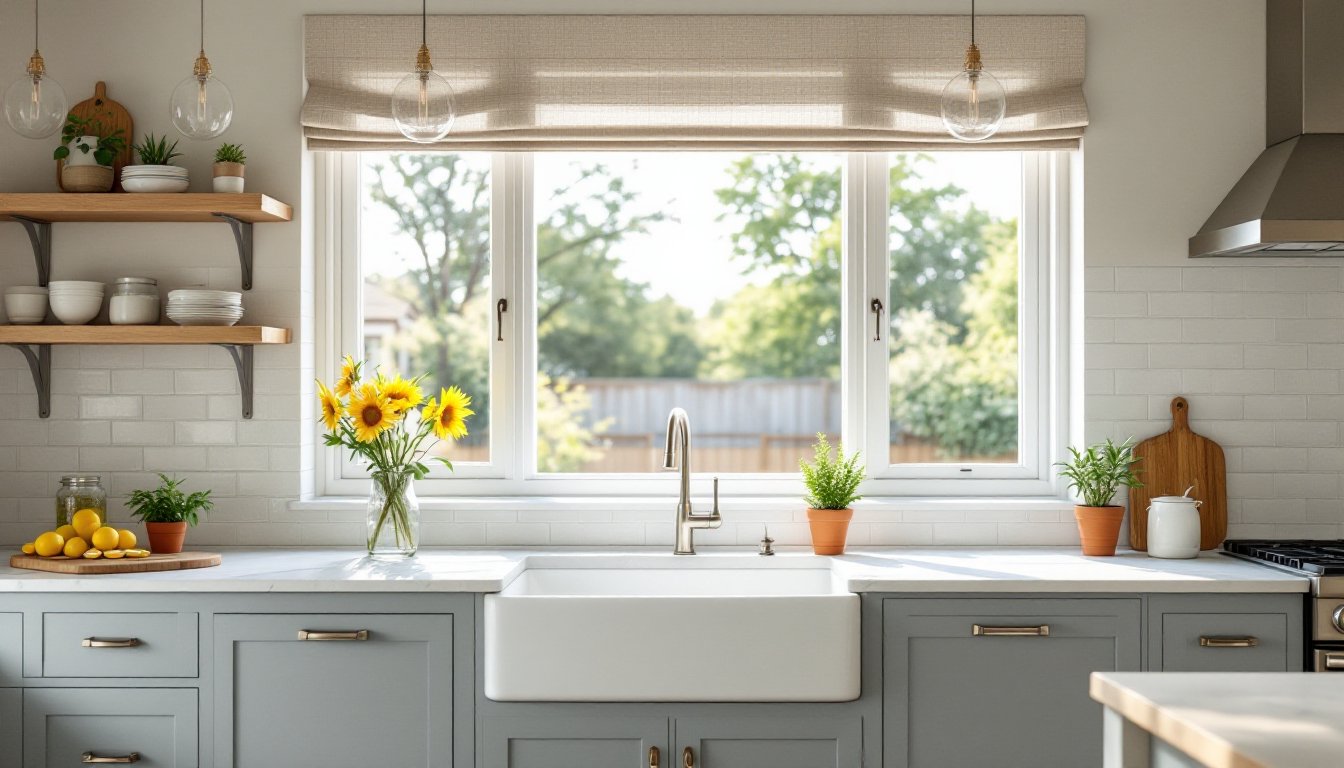
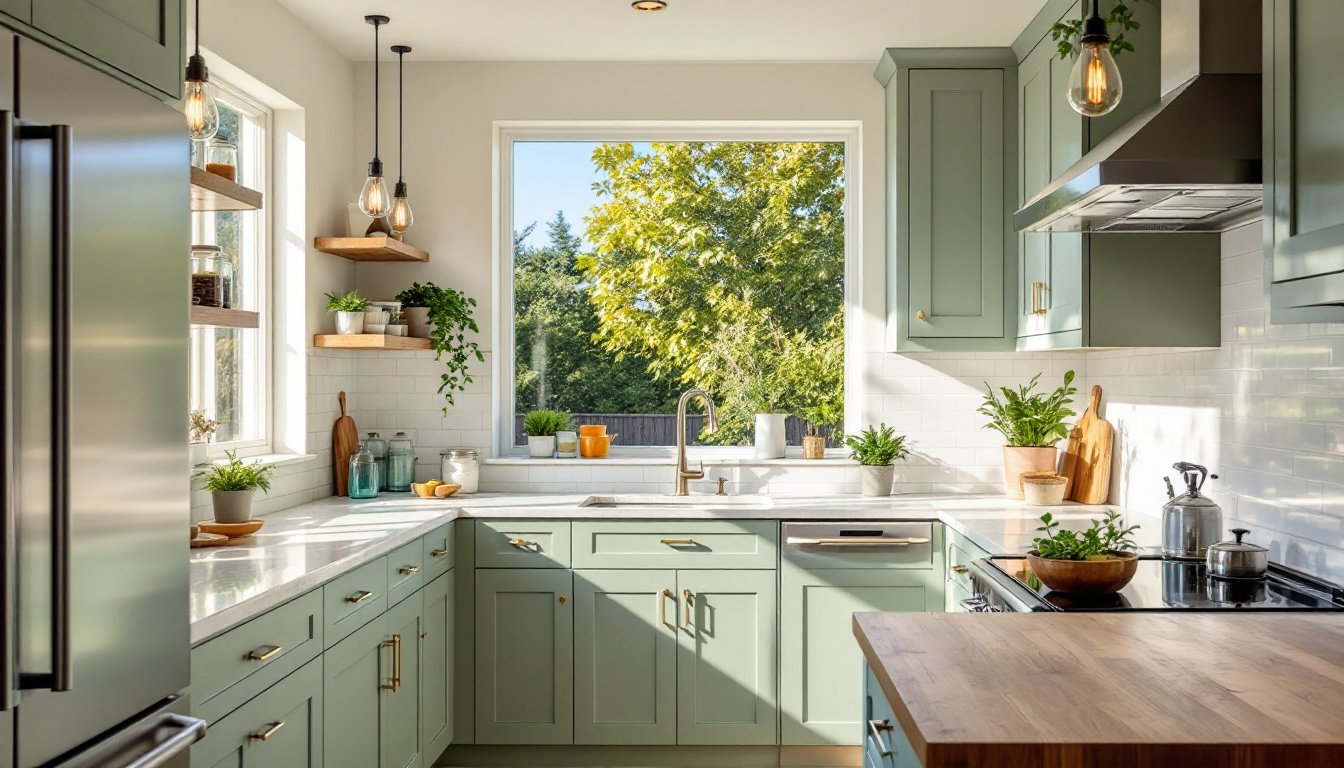
The kitchen often functions as the heart of a home. Simple updates here create dramatic results without requiring a complete gut job.
Cabinet refacing costs a fraction of full replacement but delivers a fresh look. New hardware, handles, pulls, and knobs, takes an afternoon and transforms dated cabinets instantly. Countertop upgrades make a visible impact, with quartz and granite remaining popular choices that hold value over time.
Lighting matters more than most people realize. Under-cabinet lights brighten work surfaces. A statement pendant over an island adds personality. These changes cost relatively little but change how the entire room feels.
For those with bigger budgets, appliance upgrades to energy-efficient models reduce utility bills while modernizing the space. A fresh coat of paint on walls, or even just the cabinets, completes the transformation.
Bathroom Improvements Worth Considering
Bathroom renovations don’t need to involve moving plumbing to make a difference. Some of the best home renovation ideas for bathrooms focus on surface-level changes.
Replacing outdated vanities instantly updates the room’s style. Modern fixtures, faucets, showerheads, towel bars, in coordinated finishes create a cohesive look. Re-grouting tile or replacing worn caulk makes everything appear cleaner and newer.
For mid-range budgets, a new tile floor or upgraded shower surround transforms the space. Adding storage through built-in shelving or a linen cabinet improves function alongside aesthetics.
Walk-in showers continue to gain popularity over traditional tub-shower combos, especially in primary bathrooms. They feel more spacious and appeal to buyers of all ages.
Choose Timeless Over Trendy Designs
That bright teal accent wall looks great on social media today. In five years? Maybe not so much.
Trends come and go quickly in home design. Homeowners who chase every new look often find themselves renovating again sooner than planned, or struggling to sell a house full of dated choices.
Timeless design elements include:
- Neutral color palettes. Whites, grays, beiges, and soft blues work across decades and decorating styles. They also appeal to the widest range of future buyers.
- Classic materials. Hardwood floors, subway tile, and natural stone have remained popular for generations. They’re safe bets.
- Simple architectural details. Shaker-style cabinets, clean trim profiles, and straightforward layouts age better than ornate or ultra-modern alternatives.
This doesn’t mean every renovation needs to be boring. Homeowners can express personal style through easily changeable elements: paint colors, light fixtures, furniture, and accessories. These items cost less to update when tastes shift.
The structural and permanent choices, flooring, cabinets, tile work, should lean classic. This approach protects the investment and keeps options open for years to come. Following this home renovation tip saves money and frustration down the line.
Know When to DIY and When to Hire Professionals
YouTube tutorials make everything look easy. In reality, some projects suit beginners while others demand professional skills.
Good DIY projects for most homeowners:
- Painting walls and ceilings
- Installing new light fixtures (with proper safety precautions)
- Replacing cabinet hardware
- Basic landscaping
- Assembling and installing simple shelving
- Refinishing furniture
Projects that typically require professionals:
- Electrical work beyond basic fixture swaps
- Plumbing changes or new installations
- Structural modifications
- HVAC system work
- Roofing
- Anything requiring permits
The calculation isn’t just about skill level. Time matters too. A contractor might finish in two days what takes a homeowner three weekends. For busy people, that efficiency often justifies the cost.
Botched DIY work creates expensive problems. Improper electrical installations cause fires. Bad plumbing leads to water damage. Poor tile work looks terrible and fails prematurely. Hiring a professional from the start usually costs less than fixing DIY mistakes.
When vetting contractors, check licenses, insurance, and references. Read online reviews but take extreme opinions, positive or negative, with skepticism. A detailed written contract protects both parties and prevents misunderstandings about scope, timeline, and payment.
Plan for the Unexpected
Surprises happen in almost every renovation. Walls hide secrets. Old houses especially love revealing problems at the worst possible moments.
Common discoveries during renovations include:
- Outdated or unsafe wiring
- Plumbing issues (corroded pipes, inadequate venting)
- Water damage or mold
- Structural problems
- Asbestos or lead paint in older homes
Planning for these possibilities means more than just financial padding. Smart homeowners also build extra time into their schedules. A kitchen renovation estimated at four weeks might actually take six. Adding buffer time reduces stress and avoids rushed decisions.
Living through a renovation tests patience. Dust gets everywhere. Noise disrupts routines. Access to essential spaces may be limited. Having a plan for daily life during construction, where to cook, where to shower, how to manage with workers in the house, makes the process more bearable.
Communication with contractors helps too. Regular check-ins catch problems early. Asking questions prevents assumptions that lead to mistakes. The best home renovation experiences happen when everyone stays informed and aligned throughout the project.