
Table of Contents
ToggleInterior design trends shift constantly, and 2025 brings fresh ideas that blend comfort with bold expression. Homeowners want spaces that feel current without requiring a complete overhaul every season. The good news? Following interior design trends doesn’t mean chasing every new look that appears on social media. It means understanding what resonates with personal style while staying aware of broader movements in color, texture, and form. This guide breaks down how to identify meaningful trends, find trustworthy inspiration, and integrate new ideas into existing spaces. Whether someone is refreshing a single room or planning a larger update, these strategies help create homes that feel both modern and personal.
Key Takeaways
- Interior design trends in 2025 focus on warmth, texture, and sustainability—think earthy tones, curved furniture, and reclaimed materials.
- Start incorporating trends through low-commitment items like throw pillows, artwork, and accent wall paint before investing in larger pieces.
- Limit trend-forward choices to 20-30% of a room’s visual weight to maintain a balanced, personal space.
- Reliable sources for interior design trends include respected publications, established designers on social media, and trade shows rather than algorithm-driven content.
- Mix timeless foundational pieces with selective modern updates to keep your home feeling fresh without constant overhauls.
- Personal items like family photos and collected objects anchor your space in authenticity, ensuring it reflects you rather than just current trends.
Understanding Current Interior Design Movements
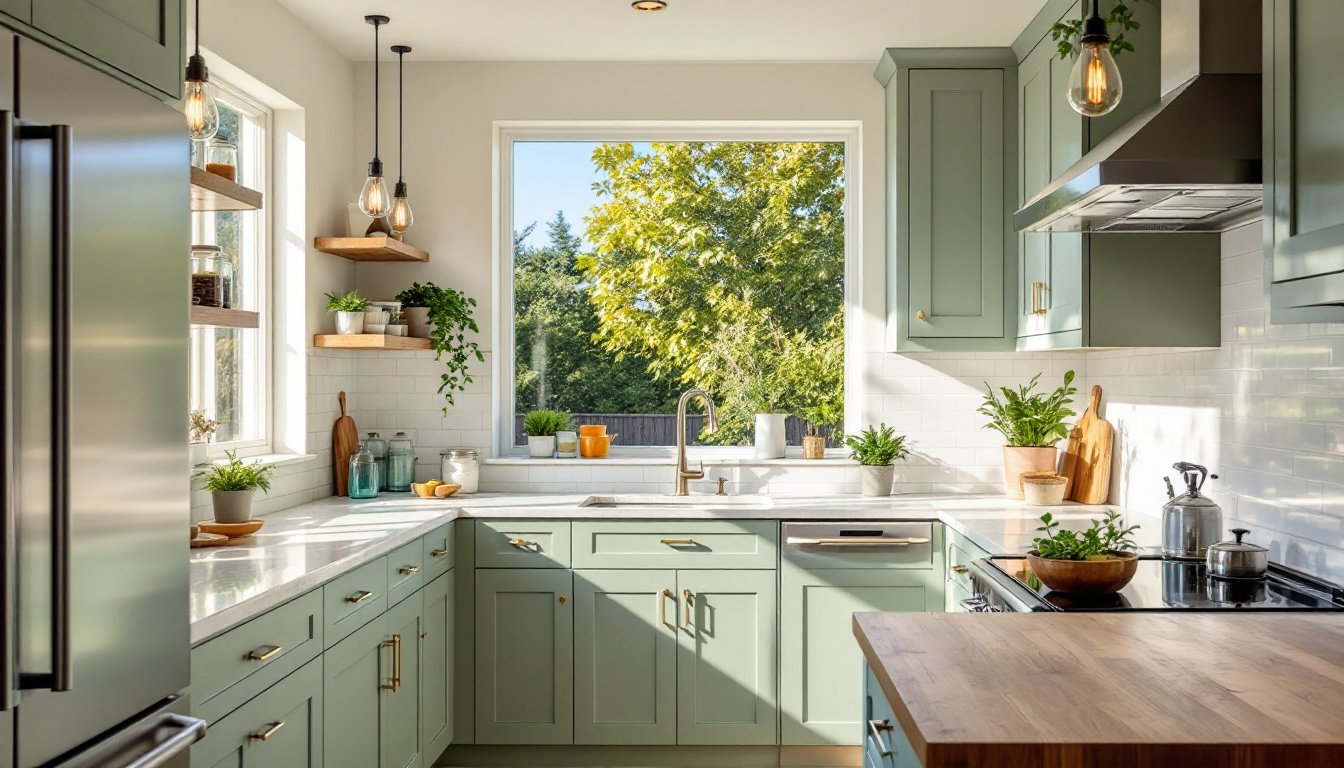
Interior design trends in 2025 center on a few key themes: warmth, texture, and intentional design choices. Earthy tones remain popular, with terracotta, sage green, and warm browns appearing in everything from wall paint to upholstery. These colors create grounded, calming spaces that contrast with the cooler grays that dominated earlier years.
Curved furniture continues to gain momentum. Rounded sofas, arched doorways, and organic-shaped mirrors soften rooms and add visual interest. This shift reflects a broader desire for spaces that feel welcoming rather than rigid.
Sustainability also shapes current interior design trends. More homeowners seek reclaimed wood, vintage pieces, and furniture made from recycled materials. This isn’t just about aesthetics, it reflects genuine concern about environmental impact and a preference for items with history and character.
Another notable movement involves mixing old and new. Designers pair antique furniture with contemporary art, or combine sleek modern lighting with traditional architectural details. This approach creates layered, collected looks that feel personal rather than catalog-perfect.
Texture plays a major role too. Bouclé fabric, natural stone, handwoven textiles, and unfinished wood surfaces add depth and tactile appeal. Smooth, uniform finishes have given way to materials that invite touch and create visual variety.
Understanding these movements helps homeowners make informed choices. They can evaluate which interior design trends align with their taste and lifestyle before committing to purchases or renovations.
Finding Reliable Sources for Trend Inspiration
Not all trend information deserves equal attention. Some sources offer genuine insight into interior design trends, while others simply amplify fleeting fads.
Design publications like Architectural Digest, Elle Decor, and Dwell consistently cover meaningful trends backed by industry expertise. These outlets interview designers, tour actual homes, and provide context about why certain looks gain traction. Their coverage tends to be more thoughtful than algorithm-driven social media content.
Instagram and Pinterest remain valuable for visual inspiration, but users should follow established designers and architects rather than accounts that aggregate content without attribution. Look for professionals who explain their choices and share project details. This context helps distinguish between interior design trends with staying power and those that photograph well but lack practical application.
Trade shows like Milan’s Salone del Mobile and High Point Market in North Carolina preview what manufacturers plan to release. Coverage from these events offers early glimpses of emerging interior design trends before they reach mainstream retailers.
Local design showrooms also provide hands-on trend education. Staff members often attend industry events and can speak to what’s gaining popularity. Plus, seeing materials and furniture in person beats scrolling through filtered photos.
Books by respected designers offer deeper perspectives on interior design trends. Authors like Kelly Wearstler, Athena Calderone, and Jake Arnold share philosophies that extend beyond seasonal shifts. Their work helps readers develop personal points of view rather than simply copying current looks.
Combining multiple sources creates a balanced understanding of what’s happening in design, and what actually matters for real homes.
Incorporating Trends Without Overwhelming Your Space
The fastest way to regret a design decision is going all-in on a single trend. Interior design trends work best when applied thoughtfully and in proportion to their expected lifespan.
Start with accessories and soft goods. Throw pillows, blankets, artwork, and decorative objects allow experimentation without major commitment. If a color palette or pattern loses appeal in six months, replacing these items costs relatively little.
Paint offers another low-risk entry point. A single accent wall in a trendy shade, perhaps a deep burgundy or soft terracotta, can update a room’s feel dramatically. Repainting takes a weekend, not a renovation budget.
For larger pieces, choose interior design trends with proven staying power. That curved sofa mentioned earlier? Organic shapes have cycled through design history repeatedly, suggesting they’ll remain relevant longer than extremely niche aesthetics. A quality piece in a classic shape but trendy fabric offers both current appeal and long-term utility.
Avoid trend-driven structural changes unless they genuinely improve function. Removing walls, adding built-ins, or changing flooring based solely on what’s popular this year often leads to expensive regret.
Balance matters most. A room filled entirely with 2025’s top interior design trends can feel like a showroom display rather than a lived-in home. Mixing trendy elements with personal items, inherited pieces, and proven favorites creates spaces with depth and character.
One useful rule: limit trend-forward choices to 20-30% of a room’s visual weight. The rest should consist of pieces chosen for their function, comfort, or personal meaning.
Balancing Timeless Style With Modern Updates
The most successful interiors blend timeless foundations with selective modern updates. This approach keeps spaces feeling fresh without requiring constant change.
Invest in quality basics that transcend interior design trends. A well-made neutral sofa, solid wood dining table, and comfortable bed frame serve as anchors. These pieces should prioritize construction quality and classic proportions over trendy details.
Lighting fixtures offer an excellent opportunity for trend expression. A sculptural pendant or statement floor lamp can update a room’s personality while timeless furniture remains unchanged. When the fixture feels dated, swap it without disrupting the entire scheme.
Area rugs also bridge timeless and trendy effectively. A vintage Persian rug under contemporary furniture, or a modern geometric pattern beneath traditional seating, creates visual tension that keeps rooms interesting.
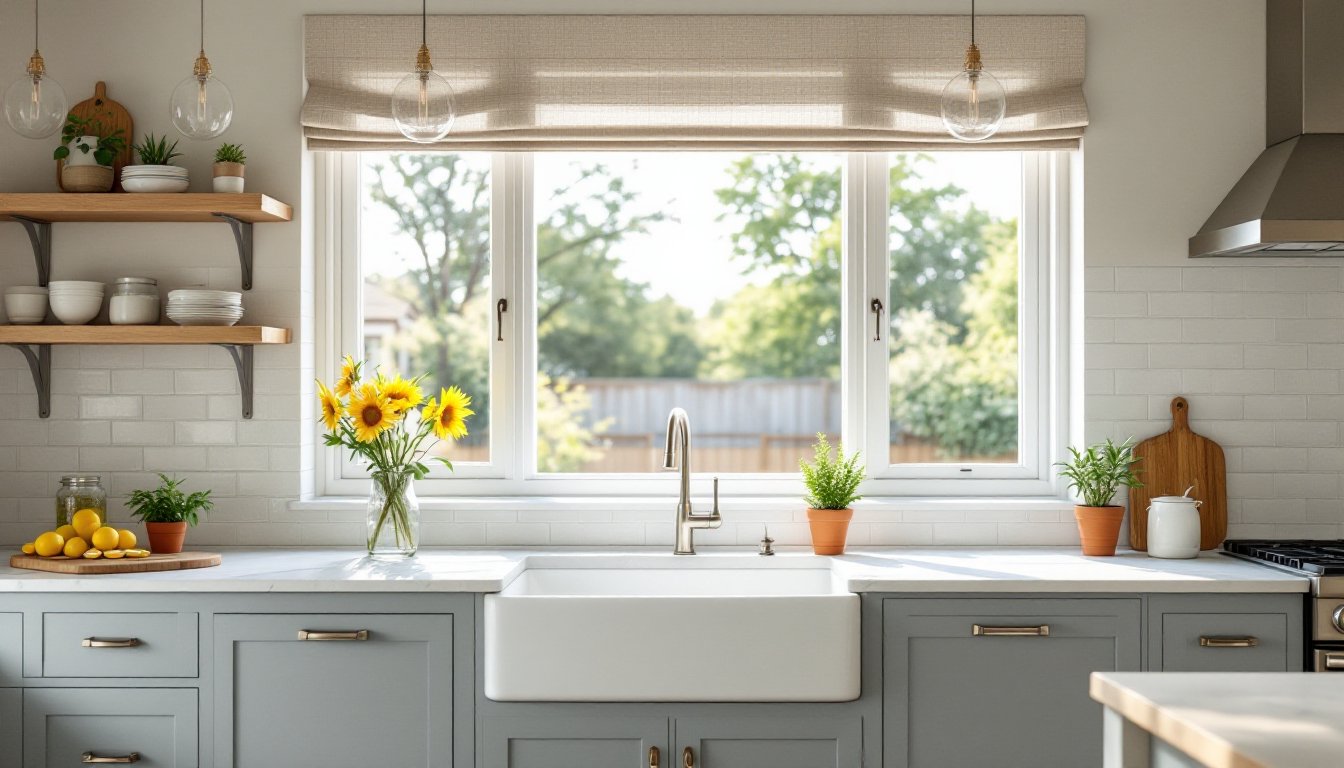
Color provides another flexible element. Neutral walls accommodate shifting interior design trends in furnishings and accessories. Those who prefer colored walls can choose mid-tones with timeless appeal, soft blues, warm whites, gentle greens, rather than highly specific trending shades.
Personal items anchor any space in authenticity. Family photos, travel souvenirs, collections built over years, and inherited objects tell stories no trend can replicate. These elements prevent homes from feeling like magazine spreads and ensure spaces remain genuinely personal regardless of shifting interior design trends.
The goal isn’t avoiding trends entirely. It’s being selective about which ones deserve space and resources, and understanding that the best interiors reflect their inhabitants more than any particular moment in design history.