
Table of Contents
ToggleInterior design trends ideas are shifting fast as homeowners and designers look toward 2025 with fresh perspectives. The spaces people live in reflect their values, and right now, those values lean toward comfort, sustainability, and personal expression. Gone are the days of cookie-cutter rooms that could belong to anyone. Today’s interiors tell stories.
This year brings a mix of returning favorites and bold new directions. Natural materials are making a strong comeback. Curved furniture softens sharp edges. Eco-friendly choices are becoming standard rather than optional. Vintage finds are mixing with sleek modern pieces. And color? It’s back in a big way.
Whether someone is renovating a single room or designing an entire home, these interior design trends ideas offer practical inspiration. Each trend serves a purpose beyond aesthetics, they create spaces that feel good to live in.
Key Takeaways
- Interior design trends ideas for 2025 prioritize comfort, sustainability, and personal expression over cookie-cutter aesthetics.
- Natural materials like wood, stone, and linen paired with earthy tones create warm, grounded spaces that connect interiors to nature.
- Curved furniture and soft shapes are replacing sharp edges, offering a sense of safety, comfort, and improved room flow.
- Sustainable choices—including recycled materials, low-VOC paints, and secondhand shopping—have become mainstream design priorities.
- Blending vintage pieces with modern aesthetics adds depth, personality, and storytelling to contemporary spaces.
- Bold colors, statement lighting, and textured walls are making a comeback for those seeking memorable, expressive interiors.
Embracing Natural Materials and Earthy Tones
Natural materials dominate interior design trends ideas for 2025. Wood, stone, clay, and linen are appearing everywhere from living rooms to bathrooms. These materials bring warmth and texture that synthetic alternatives simply cannot match.
Earthy tones anchor this trend. Think terracotta, warm beige, olive green, and deep browns. These colors work together to create calm, grounded spaces. They also pair well with most existing furniture, making updates easier.
Raw wood finishes are especially popular right now. Designers are moving away from heavily lacquered surfaces toward pieces that show natural grain and texture. Oak, walnut, and ash remain top choices. Reclaimed wood adds character while supporting sustainable practices.
Stone accents add visual weight and sophistication. Marble remains a favorite, but travertine and limestone are gaining ground. These materials work well as countertops, fireplace surrounds, and decorative objects.
Natural textiles complete the look. Linen curtains, wool rugs, and cotton throws add softness without competing with other elements. The goal is to create rooms that feel connected to the natural world.
The Rise of Curved Furniture and Soft Shapes
Sharp corners are out. Curved furniture has become one of the most visible interior design trends ideas in recent years, and it’s not slowing down.
Rounded sofas, oval coffee tables, and arched doorways create flow within a room. These shapes feel inviting and organic. They also encourage movement and conversation, making spaces more functional for actual living.
The psychology behind this trend makes sense. Curves signal safety and comfort to the human brain. After years of minimalist designs with hard edges, people want softness in their homes.
Boucle fabric often accompanies curved furniture. This textured material adds visual interest and tactile appeal. A curved boucle armchair can become a room’s focal point without overwhelming other elements.
Arches have moved beyond doorways. Designers are incorporating arched mirrors, headboards, and shelving units. These shapes draw the eye upward and create architectural interest in otherwise flat spaces.
Circular dining tables are also trending. They encourage equal participation in conversation and work well in smaller spaces. A round table with sculptural chairs brings these interior design trends ideas together effectively.
Sustainable and Eco-Friendly Design Choices
Sustainability has moved from niche interest to mainstream priority. Interior design trends ideas now regularly include eco-friendly options that don’t sacrifice style.
Recycled and upcycled materials lead this shift. Furniture made from reclaimed wood, recycled metals, and repurposed textiles reduces waste while creating unique pieces. Many manufacturers now highlight their sustainability credentials prominently.
Low-VOC paints and finishes protect indoor air quality. These products release fewer harmful chemicals, making homes healthier for occupants. The color options and durability now match conventional products.
Energy-efficient lighting has become standard in good design. LED fixtures use less electricity and last longer than traditional bulbs. Smart lighting systems allow users to control brightness and color temperature, reducing energy waste.
Secondhand shopping fits perfectly with sustainable interior design trends ideas. Thrift stores, estate sales, and online marketplaces offer quality pieces at lower prices. Buying used keeps furniture out of landfills and often provides better craftsmanship than new mass-produced items.
Plant integration serves both aesthetic and environmental purposes. Indoor plants improve air quality, add color, and connect interior spaces to nature. Large-leaf varieties like fiddle leaf figs and monstera remain popular choices.
Blending Vintage Pieces With Modern Aesthetics
Mixing old and new creates rooms with depth and personality. This approach ranks among the most interesting interior design trends ideas because it resists easy formulas.
Vintage furniture brings history and craftsmanship into modern spaces. A mid-century credenza can anchor a contemporary living room. An antique mirror adds character to a sleek bathroom. These pieces tell stories that new furniture cannot.
The key lies in balance. Too many vintage items can make a space feel dated. Too few can leave it feeling sterile. Successful designs typically feature one or two standout vintage pieces surrounded by modern elements.
Art deco influences are particularly popular right now. Geometric patterns, brass accents, and rich jewel tones from this era work well with current interior design trends ideas. A vintage art deco lamp can elevate an entire room.
Heirloom pieces carry emotional value beyond their aesthetic contribution. Incorporating family furniture honors history while creating meaningful connections within a home. A grandmother’s side table becomes more than decoration, it becomes memory.
Repurposing vintage items extends their usefulness. An old trunk becomes a coffee table. Vintage crates provide storage. These creative solutions align with sustainability goals while adding visual interest.
Bold Colors and Statement Accents
Neutrals aren’t going anywhere, but bold colors are demanding attention. Interior design trends ideas for 2025 embrace saturated hues that make spaces memorable.
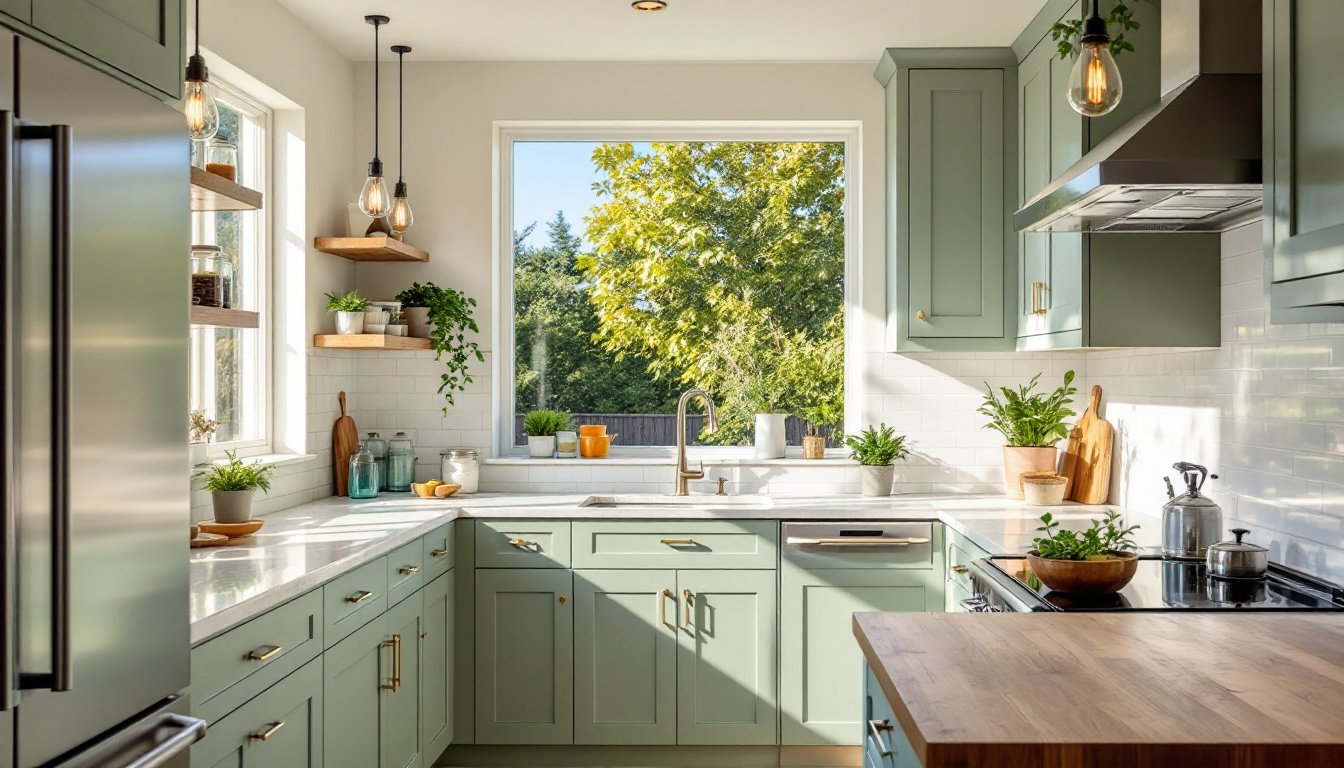
Deep blues and greens continue their reign. These colors add drama without overwhelming a room. A navy accent wall or emerald velvet sofa creates impact while remaining livable long-term.
Terracotta and rust tones bring warmth and energy. These colors work especially well with the natural materials trend, creating cohesive looks that feel grounded yet vibrant.
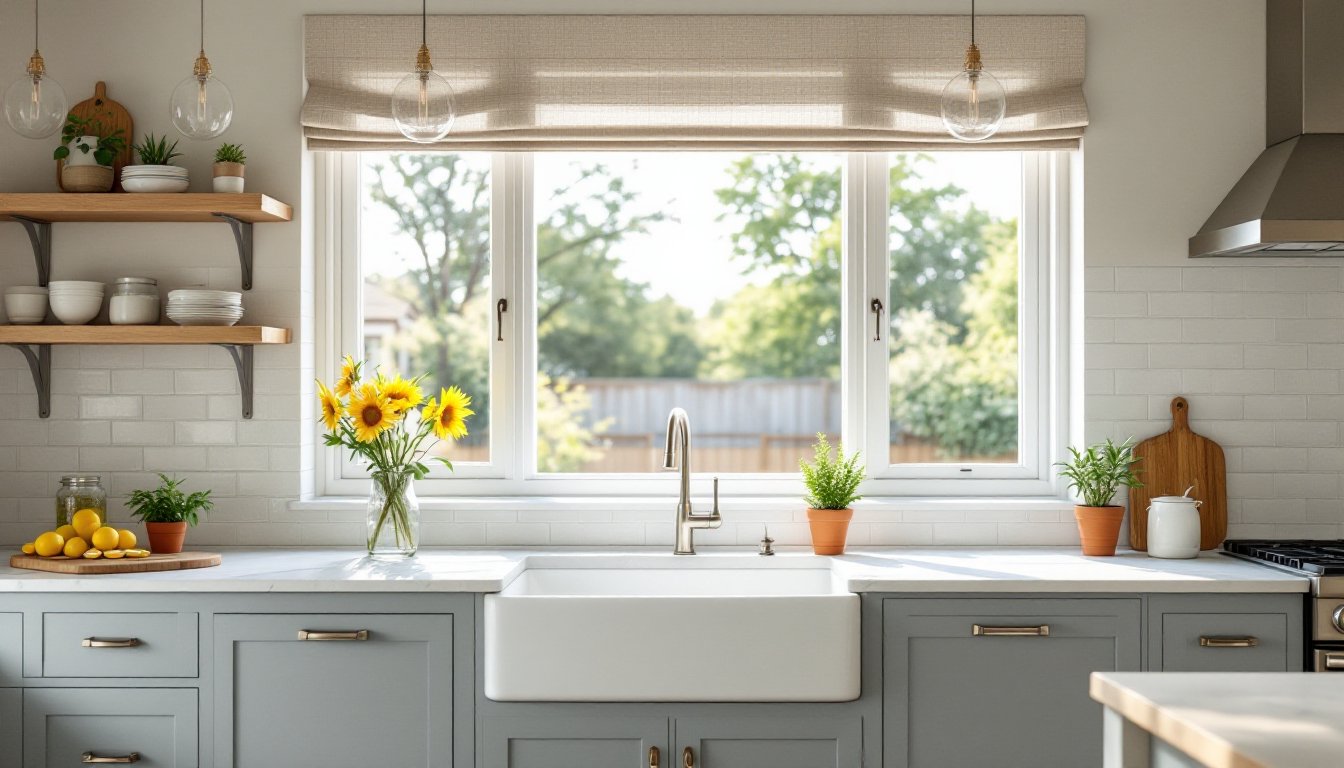
Statement lighting has become an art form. Sculptural pendants, oversized floor lamps, and unique chandeliers function as both light sources and focal points. These pieces often introduce color or metallic finishes that contrast with surrounding elements.
Textured walls add dimension without requiring bold paint choices. Limewash, plaster, and textured wallpapers create visual interest through surface variation. These techniques add depth to neutral palettes.
Maximalism is gaining followers among those tired of minimal spaces. Layered patterns, collected objects, and abundant color create homes that reflect personality fully. This approach to interior design trends ideas prioritizes expression over restraint.
Metallic accents provide sparkle and sophistication. Brass, bronze, and gold tones warm up spaces. Matte black hardware offers contrast and edge. Mixing metals adds complexity when done thoughtfully.